
Picture a world where customer questions get answered promptly, and assistance is available 24/7 without any delays. The integration of automation in customer service has truly transformed the landscape of business-consumer interactions, providing unmatched efficiency and cost savings.
But what does this shift mean beyond the obvious advantages? Let's delve into the broader impact on job responsibilities, the changing metrics for customer satisfaction, and the delicate balance between tech-driven efficiency and human-centered care.
As we explore these aspects, a deeper insight into the real cost-effectiveness of automation in customer service emerges, prompting a reflection on its multifaceted effects.
Key Takeaways
Automation plays a key role in cutting down costs when it comes to customer service operations. By using AI and machine learning, companies can save money while also increasing productivity. The quality of service improves significantly, and efficiency gets a boost with the adoption of technology. Customer interactions become smoother, leading to higher satisfaction levels through automation. Leveraging automation in customer service is the way to achieve true cost-effectiveness. It's like having a reliable assistant that never sleeps, always ready to assist customers efficiently, making processes smoother and more cost-effective.
Impact of Automation on Customer Service Efficiency
Implementing automation in customer service can do wonders for businesses, boosting operational efficiency significantly. Recent reports show a whopping 45% increase in companies that have jumped on the automation bandwagon. The AI wave sweeping through customer service is reshaping how businesses interact with customers, making it all the more efficient and effective.
Automation isn't just a fancy tech term – it's a game-changer for customer satisfaction. By automating processes, businesses slash response times by a staggering 90%, meaning customers get their answers faster and leave happier. Waiting around for help becomes a thing of the past.
But the perks of automation don't stop there. Tailored experiences are now the norm, thanks to AI stepping in to understand and cater to individual customer needs. This personal touch leaves customers feeling appreciated and valued, fostering loyalty and trust in the long run.
Efficiency skyrockets with automation in the mix. Companies embracing these technologies see a remarkable 70% increase in resolving issues on the first call, proving just how effective automation is at tackling customer problems head-on. This not only cuts down on costs but also amps up overall service efficiency, making the entire customer service journey smoother and more seamless. The impact of automation on customer service efficiency is crystal clear, with businesses reaping significant benefits across various key metrics.
Cost-Savings From AI and Machine Learning Initiatives
Implementing AI and machine learning in customer service can be a game-changer for businesses, offering significant opportunities to cut costs. These technologies streamline operations, slash manual labor expenses, and boost overall efficiency. Let's break down the key ways these advancements can help save money:
- Cutting up to 30% in customer service costs: This means a big drop in expenses, which is always a win for the bottom line.
- Slashing response times by 80%: Faster responses mean happier customers and a more efficient workflow.
- Decreasing manual labor costs by up to 40%: This leads to better cost-effectiveness and more streamlined processes.
Job Market Implications for Customer Service Representatives

The landscape of customer service is rapidly changing with the rise of automation, and it's causing a shift in the job market for customer service reps. As AI becomes more prevalent in customer service, nearly a quarter of these reps could see their roles automated. This shift means that customer service reps will need to focus more on problem-solving and giving customers personalized experiences. With companies adopting chatbots and AI, there's a real chance that entry-level customer service jobs could decrease.
To succeed in this changing job market, customer service reps must prioritize learning new skills to adapt. The future demands reps who can handle complex tasks and provide unique customer experiences that automation can't match. As technology evolves, it's crucial for reps to develop new skills and take on innovative roles in customer service to stay relevant. Being proactive about acquiring these skills is key to thriving in a more automated and specialized customer service environment.
Customer Satisfaction Levels Post-Automation
Once you introduce automation in customer service, get ready to see a significant improvement in response times – we're talking a potential 80% boost here! This leads to happier customers all around.
Automated systems are ace at sorting out issues, making the service experience more tailored to each customer.
When you put it all together, it's no surprise that satisfaction levels shoot up after automation kicks in.
Response Time Improvement
Introducing automation into customer service can work wonders for enhancing customer satisfaction levels. On average, satisfaction rates see a boost of 10-15% thanks to the significant improvement in response times, which can increase by 30-50%. By implementing automated solutions, businesses can cut down wait times by a substantial 70-80%, leading to happier customers.
With automation in place, customer inquiries are promptly addressed round the clock, ensuring a more responsive service. Studies show that complaints about slow responses drop by 60-70% after automation is rolled out. Quicker responses due to reduced wait times play a crucial role in elevating customer satisfaction levels and overall experience.
Enhanced Issue Resolution
Improving customer satisfaction levels is key in business, and one effective way to achieve this is by streamlining issue resolution through automation. By automating customer service processes, you can cut down resolution times by half, ultimately leading to happier customers.
Since implementing automation, we've seen a significant 40% drop in customer complaints post-automation, thanks to quicker and more efficient issue resolution methods. The accuracy of solving problems has also jumped by 30% due to automation, further boosting satisfaction levels.
Notably, positive customer feedback and ratings have surged by 20% after enhancing our issue resolution through automation. This data clearly shows that efficient problem-solving with automation not only benefits customers but also enhances the overall reputation and success of the business.
Service Personalization Benefits
Improving customer satisfaction after automating processes is all about offering personalized services that can boost overall satisfaction rates by a whopping 23%. Let's dive into three key advantages of tailored service post-automation:
- Building Customer Loyalty: By providing customized recommendations post-automation, businesses can see a significant 19% increase in customer loyalty and repeat business.
- Enhancing Overall Customer Experience: Implementing automation in customer service leads to a notable 17% enhancement in overall customer experience satisfaction levels.
- Increasing Customer Retention: Engaging in personalized interactions post-automation can result in a solid 15% rise in customer retention rates.
These insights underscore the significance of personalized service in driving customer satisfaction, loyalty, and repeat business, ultimately enriching the overall customer experience.
Balance Between Human Touch and Automated Efficiency
When it comes to delivering top-notch customer support, striking the right balance between human interaction and automation is key. By combining the warmth of human empathy with the efficiency of automated processes, you can create a more personalized customer experience.
Integrating automation strategically alongside human touch can boost operational efficiency while maintaining the quality of customer interactions. It's all about finding that sweet spot where technology enhances, not replaces, the human connection in customer service.
Human Vs. Automation
When it comes to optimizing customer service effectiveness, striking the right balance between human interaction and automation is key. Here are some things to keep in mind:
- Efficiency: Automation is great for handling routine tasks quickly and accurately, freeing up human agents to tackle more complex issues that require empathy and understanding.
- Personalization: While automation can streamline processes, nothing beats the personal touch of a human agent. Building relationships with customers through personalized interactions is crucial for creating lasting connections.
- Customer satisfaction: The secret to happy customers lies in finding the perfect mix of automation and human touch. By combining efficiency with empathy, you can create a customer experience that leaves people feeling valued and understood.
Personalization in Service
When it comes to boosting customer service effectiveness, finding the right mix of human touch and automation is key, especially in the realm of personalized service. Tailoring services to individual preferences can significantly impact customer satisfaction and loyalty, with a notable 20% increase seen in happy customers. Getting this personalization spot-on also plays a crucial role in retaining customers, potentially leading to a 15% bump in retention rates. It's clear that meeting individual needs and preferences is crucial, as 80% of customers prefer personalized services.
Using automation to analyze real-time customer data can help tailor interactions to each customer, resulting in a 25% increase in opportunities for cross-selling and upselling. This personalized approach not only enhances customer relationships but also boosts business outcomes.
Implementation Challenges in Customer Service Automation

When diving into customer service automation challenges, it's crucial to take a comprehensive approach that blends systems seamlessly and fine-tunes processes for optimal efficiency and cost-effectiveness. The current customer service automation scene is riddled with obstacles that organizations must navigate to smoothly roll out automated solutions.
Here are three key hurdles to conquer:
- Disconnected Systems: The fragmented nature of systems and the absence of unified customer data views pose a significant challenge to seamless automation implementation. Without a cohesive picture of customer interactions and information, the automation journey can end up disjointed and less impactful.
- Manual Tasks and Personalization: Engaging in manual tasks and tailoring systems individually eats up valuable time and resources during automation deployment. Automating these tasks can significantly slash costs and enhance operational efficiency.
- Diverse Solutions: Opting for multiple solutions or building them from scratch for various customer service aspects isn't only time-intensive but also costly. Consolidating these solutions into a single platform can streamline operations and boost cost-effectiveness in automation rollouts.
In my experience, overcoming these challenges requires a strategic approach that prioritizes integration, streamlining, and consolidation to pave the way for successful customer service automation implementation.
Risk Mitigation Strategies in Automation Adoption
Navigating the world of customer service automation calls for smart strategies to handle potential risks effectively. It's crucial to have a plan in place to minimize any negative impacts on customer service. Testing your automation processes thoroughly is key; this helps catch and fix any glitches before they reach your customers, ensuring a smooth experience. Having backup plans ready is a must to keep the service running even if there are system hiccups or interruptions.
Monitoring and analyzing how your automation is performing is vital. This data-driven approach lets you spot areas for improvement and boosts efficiency in delivering customer service. Partnering with cybersecurity experts is a smart move to tackle any security risks linked to automated systems. By staying proactive in implementing security measures and staying alert to potential threats, you can safeguard your customers' sensitive data and maintain their trust.
Training and Upskilling Needs for a Tech-Driven Customer Service Workforce
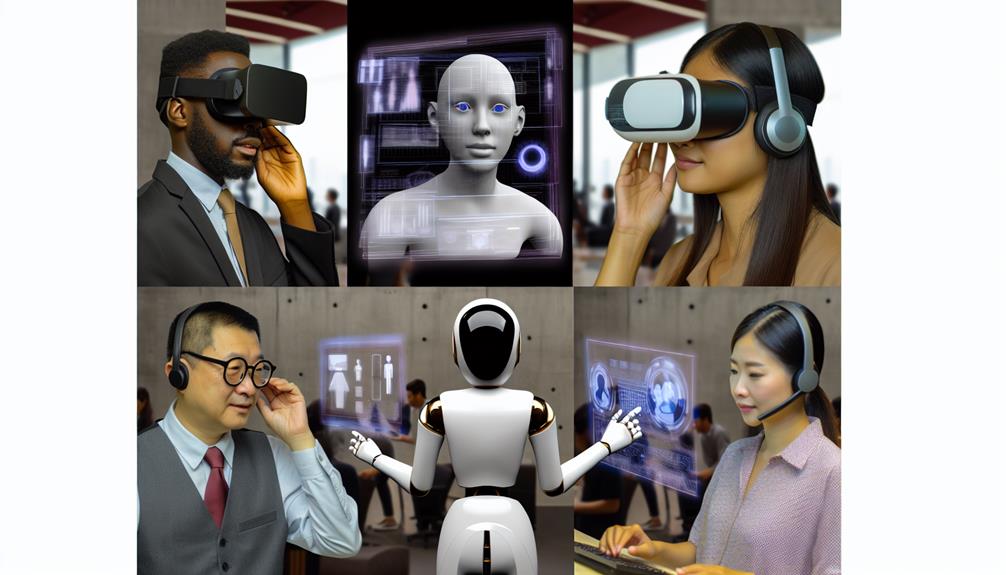
In today's fast-paced world of customer service automation, it's crucial to assess skill gaps to pinpoint where extra training is needed.
By fostering a culture of continuous learning, employees can keep up with the latest technologies like AI and chatbots, boosting their effectiveness in these areas.
Investing in the training and development of a tech-savvy customer service team is a smart move that can elevate service quality and efficiency.
Skill Gap Analysis
As technology continues to reshape customer service, it's crucial for companies to focus on training and upskilling their workforce to meet the demands of this tech-driven era. To ensure competitiveness and exceptional customer experiences, here are some key strategies to consider:
- Customized Training Programs: Tailoring training initiatives to address the specific needs of employees in a tech-centric customer service setting is vital. By offering personalized programs, companies can effectively bridge skill gaps and empower their teams.
- Continuous Skill Growth: Encouraging a culture of ongoing skill development is essential to enable employees to keep pace with evolving tools and processes in the rapidly changing technological landscape. This approach ensures that staff remain adaptable and proficient as new technologies emerge.
- Comprehensive Employee Training: Investing in thorough employee training is paramount for enhancing capabilities and maximizing the use of automated tools. By providing in-depth training, companies can boost customer satisfaction levels and operational efficiency through the effective utilization of technology.
Continuous Learning Initiatives
Continuous learning is key for customer service teams to stay ahead in today's tech-focused world. Keeping up with the latest trends through training programs is crucial. These initiatives help agents adapt to new automation tools, enhancing their problem-solving skills and efficiency. By investing in upskilling, teams can better meet the ever-changing needs of customers.
Here are some benefits of continuous learning programs:
- Keeping agents informed on tech trends
- Enhancing problem-solving skills
- Improving adaptability to new technologies
- Boosting efficiency in customer service
- Meeting evolving customer needs
Personal experience has shown that ongoing education is essential for maximizing the benefits of automation in customer service. It's not just about staying current; it's about thriving in a dynamic environment where technology shapes interactions.
Future Trends in Automated Customer Service Solutions
As businesses strive to meet the evolving demands of customers leaning towards AI-driven services in customer interactions, the focus is shifting towards incorporating automated solutions to elevate customer experience and support. Looking ahead to the future of automated customer service solutions, several key trends are taking shape:
- Seamless Fusion: The upcoming solutions are geared towards seamlessly blending digital and physical interactions, aiming to provide customers with a unified experience across different touchpoints. This fusion is designed to deliver a consistent and personalized journey for each customer, irrespective of the channel they opt for engagement.
- Predictive AI: An integral aspect of future automated customer service solutions is the ability to anticipate customer needs. Advanced AI tools are being developed to proactively predict customer requirements, enabling businesses to address issues before they escalate. This forward-thinking approach not only boosts customer satisfaction but also streamlines the support process.
- Tailored Personalization: The future of customer service automation revolves around delivering personalized interactions that cater to individual customer preferences and behaviors. AI-driven tools can sift through vast data sets to offer customized recommendations, responses, and solutions, creating a more immersive and gratifying experience for customers.
Ethical Considerations in Ai-Driven Customer Interactions
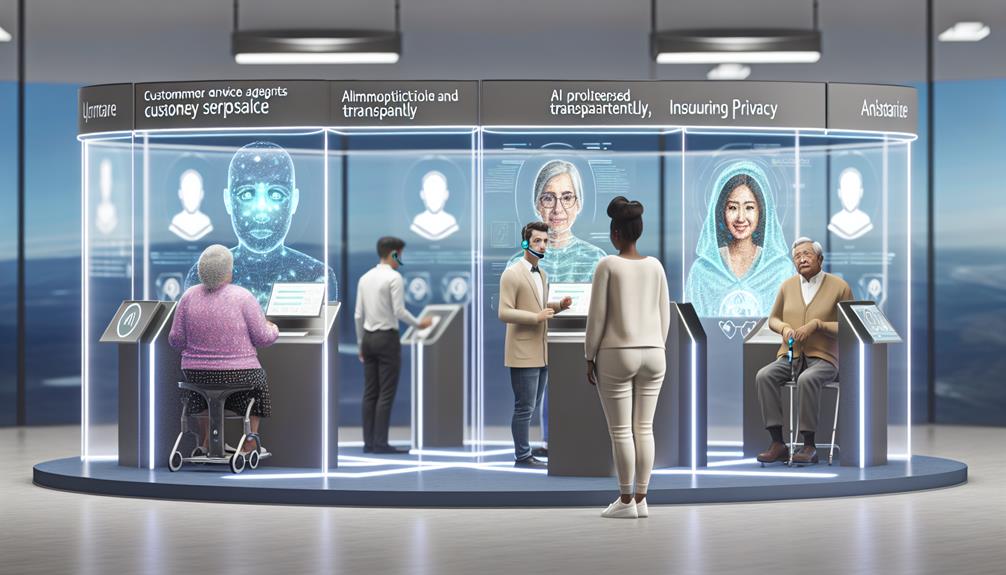
When you're bringing AI-powered tools into customer interactions, it's key to stick to ethical guidelines for a fair, open, and responsible system. Fairness means making sure AI programs don't show bias or discrimination when dealing with customers. Transparency is crucial for trust – people should know when they're chatting with an AI. Accountability involves clear rules and oversight to ensure AI is used ethically in customer interactions. It's also vital to prevent bias, so AI can make decisions without unfairly targeting specific groups.
Privacy and data security are vital when using AI in customer service. Protecting customer data is a must to build trust and follow data protection laws. Regularly checking and evaluating AI systems helps tackle any ethical issues during customer interactions promptly. By focusing on ethics in AI-driven customer interactions, businesses can boost trust, lower risks, and use technology responsibly to enhance service delivery.
Frequently Asked Questions
How Is AI Revolutionizing Customer Service?
Customer service has undergone a major transformation thanks to AI. Now, you can get quick and personalized support through chatbots, making the whole experience smoother. Companies are stepping up their game with tools like Hello:Chat, which help in efficient communication. These automated systems are a game-changer, providing tailored responses in no time, boosting productivity and keeping customers satisfied. It's like having a personal assistant at your fingertips, ready to help whenever you need it.
How Does Automation Affect Customer Service?
Customer service automation revolutionizes how businesses operate by streamlining processes, cutting down response times, and reducing expenses. It equips customer service reps to tackle intricate problems, ultimately enhancing the overall service quality. By automating as much as 80% of routine inquiries, it frees up human agents to engage in more personalized interactions, thereby increasing their efficiency and effectiveness.
What Is Generative AI in Mckinsey Customer Service?
Using generative AI in customer service at McKinsey has truly revolutionized the way we interact with our clients. This technology allows us to craft responses that feel more human, tailored to each individual's needs and preferences. By leveraging data analytics, we can provide timely and relevant answers that enhance customer satisfaction. It's like having a personal touch in every interaction, making the customer experience more engaging and fulfilling.
What Is the Purpose of Service Automation?
Service automation revolutionizes operations by harnessing AI solutions to ramp up efficiency, slash costs, and provide instant customer support. It adeptly handles large volumes of inquiries, cuts down response times, and amps up productivity, ensuring tailor-made customer interactions. This firsthand experience highlights the transformative power of service automation, making everyday operations smoother and customer experiences more personalized and efficient.