Exploring the realm of AI conversations, the cost of integrating chatbots can vary widely based on the sophistication level you're aiming for. There's a whole spectrum of options out there, from budget-friendly choices to more advanced AI models, offering businesses a diverse range of pricing to consider.
Yet, beyond the initial investment, there are key factors that influence the actual cost of diving into AI conversations. Understanding these aspects is crucial for making well-informed decisions that align with your business objectives and goals.
It's not just about the numbers; it's about knowing what you're getting into and how it will impact your business in the long run.
Key Takeaways
Interested in getting an AI chatbot but not sure about the costs? Let's break it down for you in simpler terms.
You can start with a basic AI chatbot for around $20 per month. If you're looking for more advanced features like what Jasper offers, you might be looking at around $49 per month. And hey, if you're on a tight budget, there are even free options out there like HuggingChat.
The price you end up paying can vary based on the tools you choose and whether you need any specialized hardware. Sometimes, financial constraints can make it tough to dive into the world of AI chatbots and innovation.
Just remember, finding the right balance between cost and features is key when exploring AI chatbots for your needs.
Average Cost Range for Business Chatbots
When you're diving into the world of business chatbots, the price tags can vary quite a bit depending on what you need. You can start off with a basic AI chatbot for as little as $20 a month. These simpler bots can help handle customer questions or set up appointments without breaking the bank.
On the flip side, if you're looking for something more advanced like Jasper, be ready to shell out around $49 per month. These top-tier chatbots come packed with features like natural language processing and seamless integration with different business systems.
And hey, if you're on a tight budget, don't worry! There are free options like HuggingChat by HuggingFace that you can play around with. It's a great way for businesses to dip their toes into the chatbot world without any upfront costs.
Keep in mind that the prices for AI chatbots vary widely, so you can pick a solution that fits your budget and needs. Whether you're going for a simple chatbot with basic functions or a high-tech AI buddy with all the bells and whistles, there's something out there for everyone.
Factors Influencing Chatbot Development Cost
When you're diving into chatbot development, the tools you pick and how complex your project gets can really sway the overall cost. Your choice of tools can directly affect how much you'll spend, and the level of intricacy in your chatbot's features can also play a part in the final price.
Getting a handle on how these factors mesh together can steer you towards smart choices for your chatbot development budget.
Development Tools Impact Cost
When it comes to developing chatbots, the tools you choose can have a big impact on your budget. Working with advanced language models like GPT-3 can really drive up costs. Companies diving into AI tools like ChatGPT from OpenAI might end up shelling out millions just to keep up with user needs. And let's not forget about the ongoing expenses for running these trained models – they can easily outstrip the initial training costs.
Using specialized hardware such as Nvidia GPUs is a must for efficient AI work, but it also adds to the already hefty bill. These financial hurdles really underscore the tough road of AI innovation.
Here's a breakdown of how different tools affect costs:
- Large Language Models: They bring high training and ongoing costs.
- Specialized Hardware: It's a must-have, but it drives up overall expenses.
- AI Tools: They demand significant investments for top-notch results.
- Financial Constraints: These pose a real challenge in keeping AI innovation going.
Complexity Affects Price
When it comes to developing AI chatbots, the complexity of the technology can really drive up the costs. For instance, training advanced AI models like GPT-3 can run you over $4 million, which is no small change. And that's just the beginning – the process of using these models, known as inference, can be even pricier than training them. To make it all work seamlessly, you'll need specialized hardware like GPUs, each costing around $10,000, to power through the heavy lifting. This means that companies looking to implement top-notch conversational AI systems might've to invest heavily in infrastructure to handle all the users.
The intricacies of AI chatbots don't stop there. You also have to consider the ongoing costs of maintaining and retraining these large language models, which can really add up over time. All these factors contribute to the overall expenses associated with developing AI chatbots, making it clear why these cutting-edge solutions come with a hefty price tag.
Potential Return on Investment (ROI) for Businesses

Thinking about adding AI chatbots to your business arsenal? It's a smart move that could pay off big time. Reports show that for every dollar you invest in AI conversation tools, you could see a return of up to 2.5 times that amount.
Not only can these chatbots boost customer engagement, potentially leading to more sales and stronger customer loyalty, but they can also slash your customer service costs by a whopping 40%. By handling routine inquiries and answering up to 80% of customer questions, AI chatbots free up your human agents to tackle more complex issues.
The benefits don't stop there. With AI chatbots, you can expect a 10-20% boost in sales through personalized interactions and targeted marketing strategies. It's all about efficiency, cost-effectiveness, and creating better connections with your customers.
Impact of AI Chatbots on Customer Service
Customer service has seen a major makeover thanks to AI chatbots. These digital assistants work 24/7, responding swiftly and efficiently to a large number of customer inquiries at once, slashing wait times. Research shows that 64% of online users believe chatbots will revolutionize customer service within the next five years. These AI helpers can tackle FAQs, order tracking, troubleshooting, and even dish out product recommendations. Businesses that jump on the AI chatbot bandwagon can cut their customer service costs by up to 40%.
The impact of AI chatbots on customer service boils down to a few key points:
- Efficiency: AI chatbots streamline customer interactions, providing speedy solutions and minimizing wait times.
- Scalability: Chatbots are pros at juggling multiple customer queries simultaneously, ensuring no question gets left hanging.
- Cost-Effectiveness: Companies can save big on customer service expenses as AI chatbots automate responses and processes with finesse.
Integration Challenges With Chatbots
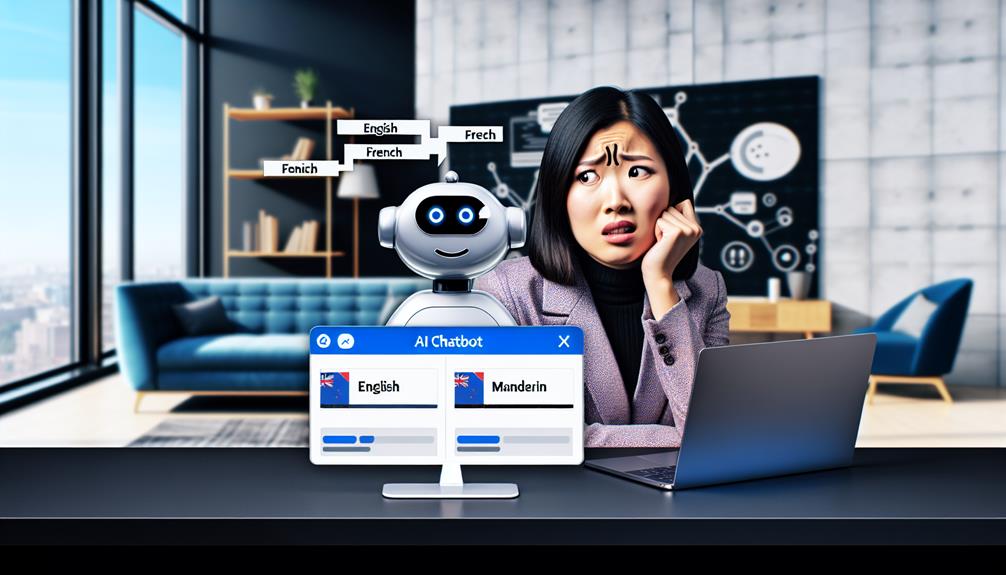
When you bring chatbots into your setup, one big hurdle is making sure they can smoothly talk to your existing platforms and databases. These chatbots are meant to chat with users on websites, messaging apps, and customer service tools. But issues with different operating systems and software can get in the way of integrating them seamlessly.
To tackle these challenges, it's crucial for organizations to handle data security and privacy matters during the integration. This step is essential to safeguard the confidentiality of sensitive information managed by the chatbots. Successful integration of chatbots also calls for aligning them with business objectives and user experience design principles to boost overall performance.
Moreover, adding machine learning capabilities to chatbots can complicate the integration process further. Machine learning algorithms help chatbots learn from interactions and enhance their responses over time. However, blending these intricate algorithms effortlessly into existing systems demands careful planning and expertise. Organizations need to ensure that incorporating machine learning components doesn't disrupt the chatbot's overall functionality or the existing platforms.
Customization Options for Chatbot Functionality
So, you're thinking about integrating chatbots into your system, right? It's a game-changer, opening up a whole new world of possibilities to tailor their functionality to suit your users' specific needs and preferences. Let's dive into how you can customize your chatbots to elevate user experience:
- Personalized Responses: Picture this – your chatbots using artificial intelligence to craft responses that are tailored to each user's interactions. It's like having a personal touch in a digital world, boosting user engagement and satisfaction.
- Branding and Tone: Your chatbots can be more than just helpful assistants; they can embody your brand's identity. Match their tone, style, and visuals to create a seamless user experience that resonates with your brand.
- Enhanced Service Offerings: With advanced chatbot platforms, the sky's the limit. Think of offering product details, troubleshooting guidance, appointment scheduling, and more. Tailor these services to cater to diverse user needs, making interactions seamless and efficient.
Data Privacy and Security Concerns

With the rapid rise of chatbot technology, keeping user data safe and secure is a top priority for everyone involved. Recent data breaches in the AI industry have raised concerns about how well our personal information is being protected.
The fact that chatbots collect personal data for training purposes is a major red flag, as it could easily lead to privacy violations. Users are understandably worried about the security of their conversations and the information stored by AI chatbots.
Regulations like the General Data Protection Regulation (GDPR) are in place to make sure user privacy is respected in AI interactions. Being open about how data is collected, stored, and used is crucial for addressing privacy and security concerns in AI chats.
In today's world of big tech, where huge amounts of personal data are handled, it's essential to uphold strict standards for data privacy to build trust between users and AI systems. Staying alert to data protection measures is key as we navigate the constantly changing landscape of AI-driven interactions.
Chatbot Performance Metrics and Monitoring
Chatbots are getting smarter by the day, and keeping tabs on how well they're doing is key to making sure they're top-notch and keeping users happy. Let's dive into three important things to consider when checking how your chatbot is performing:
- Speedy Replies: It's crucial to see how fast your chatbot can shoot back responses to users. Quick replies keep the conversation flowing and users engaged.
- Accuracy Matters: Making sure your chatbot dishes out the right info is a big deal. Getting things spot-on builds trust with users and makes their experience top-notch.
- User Engagement: Paying attention to how much users get chatting with your chatbot gives you a good idea of how well it's working. High engagement means users are finding value and fun in the chat, while low rates might signal a need to jazz up the bot's chat skills.
Keep these in mind as you fine-tune your chatbot for a stellar user experience!
AI Chatbot Evolution and Future Trends
The evolution of AI chatbots has taken a significant leap with the integration of advanced language models like GPT-3 and PaLM2. These models have truly transformed how we interact with chatbots, making the conversations more natural and human-like, especially in customer service settings. While companies investing in these technologies bear substantial costs for training and running these models, the payoffs in terms of improved customer satisfaction and operational efficiency are substantial.
Let's break down the progress in AI chatbot evolution with a simple comparison:
- Large Language Models: These models boost chatbots' conversational skills, leading to better query resolutions.
- Efficiency Enhancements: Quick response times translate to happier customers.
- Productivity Features: From aiding in research to assisting with travel plans, these features elevate the overall user experience.
Looking ahead, the trend suggests that AI chatbots will become more cost-effective in the near future, making them more accessible across various industries, especially in enhancing customer service interactions. Companies are actively exploring ways to strike a balance between innovation and cost-efficiency to fully leverage the potential of AI chatbots.
Industry-Specific Applications of Chatbots
Specialized chatbots have revolutionized industries like healthcare, retail, and legal services by providing tailored support and enhancing customer experiences.
In healthcare, these bots assist in scheduling appointments and checking symptoms, streamlining the process for patients.
Retail chatbots offer personalized recommendations and order tracking, making shopping more convenient and personalized.
Legal chatbots provide quick access to legal information, help with document preparation, and guide users on legal matters, meeting the specific needs of the legal industry.
These chatbots have truly transformed the way businesses interact with customers, offering efficient and personalized assistance.
Healthcare Bot Benefits
Healthcare chatbots are transforming the way we experience healthcare, bringing about some remarkable changes. Let's dive into how these bots are reshaping the industry:
- They make things smoother by handling tasks like booking appointments and answering patient queries, cutting down administrative costs by around 30%.
- Patients are happier! Studies reveal an 80% rise in patient satisfaction because chatbots boost engagement and communication.
- Need help at 3 am? No problem. These bots offer round-the-clock support, slashing patient wait times for medical advice by 40%.
These innovations not only elevate the patient journey but also streamline operations and save costs in healthcare. It's a game-changer!
Retail Chatbot Advantages
Revolutionizing the retail scene, chatbots are a game-changer when it comes to improving customer interactions and boosting sales. These digital assistants can ramp up sales by as much as 30% while slashing customer service costs by 30%, giving businesses a powerful edge.
It's no wonder that 55% of shoppers are keen on chatting with chatbots while browsing online, leading to a solid 40% uptick in customer loyalty for retailers using this technology. By tackling 80% of routine customer queries efficiently, chatbots free up human agents for more complex tasks.
What's more, 64% of companies swear by chatbots for delivering personalized shopping experiences, elevating the overall customer journey and bolstering brand allegiance. Embracing retail chatbots can truly supercharge your business in today's cutthroat market.
Legal Bot Solutions
Legal chatbots are making waves in the legal industry, revolutionizing how legal services are delivered and client support is provided. These smart chatbots powered by AI technology are designed to handle tasks like reviewing contracts, conducting legal research, and drafting documents. The goal is to streamline processes, increase efficiency, and reduce costs for both law firms and clients alike.
Some of these legal chatbots are tailored to meet industry regulations, ensuring that sensitive legal matters are handled with the utmost confidentiality and data security. By harnessing the power of AI, these chatbots can tackle intricate legal issues and offer users relevant information and guidance, marking a significant step forward in how the legal field is embracing technological advancements. It's truly impressive to see how these innovations are reshaping the landscape of legal services.
Chatbot User Experience (UX) Optimization
When it comes to making chatbots more user-friendly, it's all about personalization and smooth conversations. In today's tech-savvy world, tailoring responses to fit each user's preferences and behaviors is key to keeping them happy.
By using AI to understand what users want, chatbots can give more useful info and make interactions easier. Creating a chat flow that feels natural and easy to follow is crucial for keeping users interested.
Regularly collecting feedback and testing helps fine-tune the chatbot experience, making it better with each interaction. Personal touches, seamless chats, and AI insights all work together to make chatbots a hit with users, boosting engagement and satisfaction in the world of AI conversations.
Frequently Asked Questions
Does AI Chat Cost Money?
AI chat services can come with a price tag depending on the provider you choose. For instance, Jasper offers plans starting at $49 per month, while ChatGPT Plus and Perplexity start at $20 per month. On the other hand, HuggingChat by HuggingFace is completely free to use. Different AI chatbots have various pricing models to suit different needs and budgets.
How Much Does Bing AI Chat Cost?
Investing in Bing AI chat may require a significant upfront cost, but it offers a range of conversational styles and provides reliable source references. Designed specifically for Bing and Microsoft Edge users, it serves as a handy tool for quickly getting an overview of various subjects.
Is the AI Chat Bot Free?
Yep, some AI chatbots are totally free, depending on where you look. For instance, HuggingChat offers a free service. On the flip side, others like Jasper AI, ChatGPT Plus, and Perplexity AI have subscription plans starting at $20 per month.
How Much Does a Conversational Chatbot Cost?
When it comes to conversational chatbots, prices can vary quite a bit. Some, like HuggingChat, are available for free, while others, such as Jasper, may cost around $49. Additionally, services like ChatGPT Plus and Perplexity charge around $20. Each chatbot has its own pricing model, so it's important to find the one that best suits your needs. Take some time to explore your options and choose the chatbot that fits your requirements the most.