
Wondering if chatbots truly cut costs in your CRM system as they claim?
The initial investment might seem reasonable, but what about the ongoing maintenance and updates that can eat into your budget?
Let's dig into whether these AI-powered helpers really save you money or turn into a financial headache in the long haul.
Ready to uncover the real impact of chatbots on your CRM wallet?
Key Takeaways
Chatbots are a game-changer when it comes to trimming customer service expenses. They slash labor costs by around 30%, saving a hefty $4,000 per agent every year. By revving up response times by as much as 90%, these digital assistants also chip away at costs, saving between $0.50 to $0.70 per interaction.
Not just about the dollars, chatbots are ace at boosting customer satisfaction levels through personalized support, which can even spike sales by a solid 10-15%. However, it's not all smooth sailing; there are ongoing maintenance costs to the tune of 15-30% of the initial setup. These costs are vital to keep the chatbots running shipshape.
With their ability to handle 80% of routine inquiries, chatbots significantly slash expenses. What's more, they play nice with CRM systems, seamlessly integrating to ensure a smooth customer service experience.
Initial Investment for Chatbot Integration
When you're looking to add a chatbot to your CRM system, the initial investment can vary from $500 to $5,000 per month on average. This cost covers everything from developing and training the chatbot to maintaining and customizing it to fit seamlessly with your CRM setup. Investing upfront in chatbots is crucial as it lays the groundwork for long-term savings and smoother customer support operations.
Potential Savings on Customer Service Labor
Want to streamline your customer service and save big on costs? Well, chatbots are the way to go! By using chatbots, you can slash your customer service labor expenses by around 30%, which translates to approximately $4,000 saved per agent.
These nifty chatbots efficiently handle customer inquiries at a fraction of the cost of human agents, making them a cost-effective solution for managing high volumes of customer requests. Not only do chatbots lead to significant annual savings running into the millions, but they also enhance response times and overall operational efficiency.
Labor Cost Reduction
Integrating chatbots into customer service systems can lead to significant savings in labor costs. With the help of AI technology, businesses can cut down on customer service expenses by as much as 30%. These chatbots offer round-the-clock assistance efficiently, eliminating the need to hire and train additional human agents.
Moreover, utilizing chatbots as self-service platforms can help companies reduce operational expenses. By handling basic queries, chatbots free up human agents to focus on more intricate problems, ultimately boosting the overall efficiency of customer service operations. This cost-effective approach of incorporating chatbots into CRM systems enables companies to streamline their support processes and save on labor costs.
Improved Response Times
Improving customer service response times by integrating chatbots can lead to significant savings on labor costs. When chatbots efficiently handle customer inquiries, companies can save money and boost satisfaction levels.
Here are some key points to consider:
- Chatbots can cut response times by up to 90%, reducing labor expenses.
- Quicker replies from chatbots can save around $0.50-$0.70 per interaction.
- Instant resolution of issues by chatbots can prevent escalations, lowering overall support expenses.
- Better response times result in happier customers and increased loyalty, ultimately saving costs.
- Chatbots can manage multiple customer queries at once, enhancing efficiency and cutting down on expenses.
Scalability and Efficiency
Using chatbots in customer service can really help cut down on labor costs by making operations more efficient and scalable. By taking on a large number of queries without the need for hiring extra staff, chatbots can save on support expenses.
They handle common questions automatically, freeing up human agents to deal with more complex issues, which improves overall productivity. This teamwork between chatbots and human agents ensures customer service can grow smoothly without breaking the bank.
Quick and accurate automated responses also keep customers happy by addressing their concerns promptly. Chatbots are key in optimizing resources and helping organizations meet increasing support needs while managing costs effectively.
Impact on Customer Satisfaction and Service Efficiency
Integrating chatbots into CRM systems has revolutionized customer service, elevating satisfaction levels and operational efficiency. Picture this: customers now enjoy around-the-clock support, ensuring their needs are met promptly. Gone are the days of long wait times; chatbots swoop in to provide instant assistance, streamlining service delivery. Moreover, the implementation of chatbots in CRM automation allows businesses to analyze customer interactions in real-time, providing valuable insights for future improvements. This data-driven approach not only enhances personalization but also enables companies to anticipate customer needs more effectively. As a result, organizations can build stronger relationships with their clientele, fostering loyalty and encouraging repeat business.
The beauty of chatbots lies in their ability to offer consistent and reliable support, a key ingredient in boosting customer satisfaction. What's more, these digital assistants are like data wizards, collecting valuable insights from customer interactions to tailor personalized experiences.
Ongoing Maintenance and Update Costs

When it comes to keeping your chatbots sharp and effective within your CRM system, ongoing maintenance and updates are key players. These tasks, usually costing around 15% to 30% of the initial setup, are vital for ensuring top-notch chatbot performance. It's like giving your chatbot a tune-up to meet your customers' needs effectively.
Regular updates are a must to keep your chatbots accurate and on point in providing support. Tasks like monitoring their performance, fixing any glitches, and updating their content are crucial to keeping your customers satisfied.
Skipping out on regular maintenance can lead to a decline in your chatbot's performance, which can directly impact customer satisfaction and how efficiently your services run. Allocating a budget for maintenance is crucial to ensure your chatbots keep adding value and savings in the long run.
Comparison With Traditional CRM
When you pit chatbots against traditional CRM systems, the cost-effectiveness factor shines through brightly. Chatbots step up by cutting customer service expenses significantly. They tackle around 80% of common customer queries with ease, providing round-the-clock support without downtime, and trimming labor costs versus the conventional methods.
On the flip side, traditional CRM systems often demand more human agent interaction, leading to inflated support costs. The expenses linked to setting up and upkeeping chatbots generally come in lower than paying salaries to human agents. Moreover, chatbots mesh well with traditional CRM systems by automating tasks and boosting cost efficiency.
Potential for Increased Sales
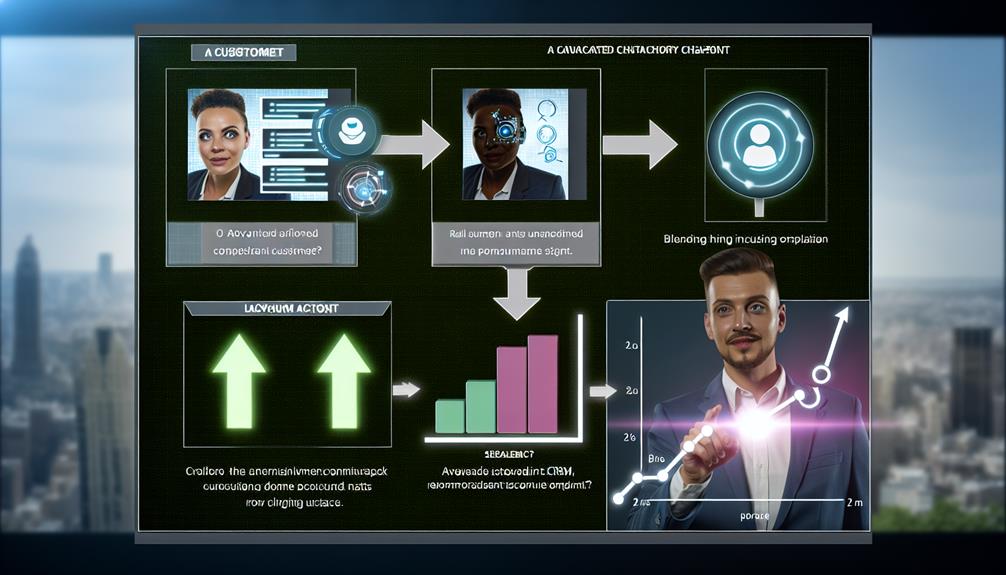
Chatbots can really boost your sales by giving personalized recommendations and engaging customers more effectively. Research indicates a solid 10-15% uptick in sales from chatbot interactions, and a threefold surge in conversion rates underscores their sales-driving prowess.
Companies leveraging chatbots for upselling and cross-selling have seen a whopping 67% surge in customer spending, showcasing the revenue-boosting potential they bring to the table.
Sales Boosting Capabilities
Chatbots are like your trusty sales assistant in the digital world, making a big impact on boosting sales in CRM systems. They work wonders by suggesting products tailored just for you and nudging you towards making that purchase.
These savvy bots are masters at managing leads, grabbing potential customers, and smoothly guiding them down the sales path. With their quick alerts about sales and discounts, they keep you engaged and open up more sales opportunities.
Plus, they make shopping a breeze, helping you check out effortlessly and enticing you to come back for more.
Revenue Growth Opportunities
When it comes to boosting revenue in CRM systems, personalized interactions powered by chatbots play a crucial role. By offering tailored product suggestions and engaging with customers proactively, chatbots can drive more traffic to websites, potentially leading to increased sales. Moreover, chatbots can analyze customer behavior and preferences, allowing for even more precise recommendations that resonate with individual users. This level of engagement not only fosters a personalized shopping experience but also contributes to chatbots improving user satisfaction by addressing inquiries swiftly and efficiently. Ultimately, happier customers are more likely to return, thereby enhancing loyalty and long-term revenue growth. Furthermore, the integration of chatbots into CRM systems can facilitate real-time communication, bridging the gap between customers and businesses. By chatbots enhancing customer engagement, companies can gather valuable feedback that informs future product developments and marketing strategies. This continuous loop of interaction ensures that businesses remain aligned with customer needs, further solidifying their market position.
These virtual assistants are key in capturing customer information and qualifying leads for sales teams, ultimately enhancing the overall customer experience. Moreover, chatbots can be effectively utilized for running marketing campaigns, which in turn can raise brand awareness and create new revenue streams.
Leveraging chatbots strategically within CRM systems holds significant potential for driving sales growth and generating revenue.
Customer Retention Due to Improved Service
Improving how we serve our customers can make a big difference in keeping them coming back. When we use chatbots to provide better service, we see some great perks that really impact how loyal our customers are.
Here are a few key points to consider:
- Speedy Solutions: Most folks, about 85%, like it when companies can fix things quickly. It helps build trust and keeps them coming back.
- Faster Responses: Chatbots can slash response times by 90%, making customers happier and more likely to do business with us again.
- Less Customer Loss: Companies using chatbots see a 25% drop in customers leaving, showing that we're doing a better job of keeping them around.
- More Customer Value: With top-notch service through chatbots, we can boost a customer's lifetime value by 15%.
When we focus on these aspects, we're not just solving problems – we're building relationships that last.
Monetization Challenges and Strategies
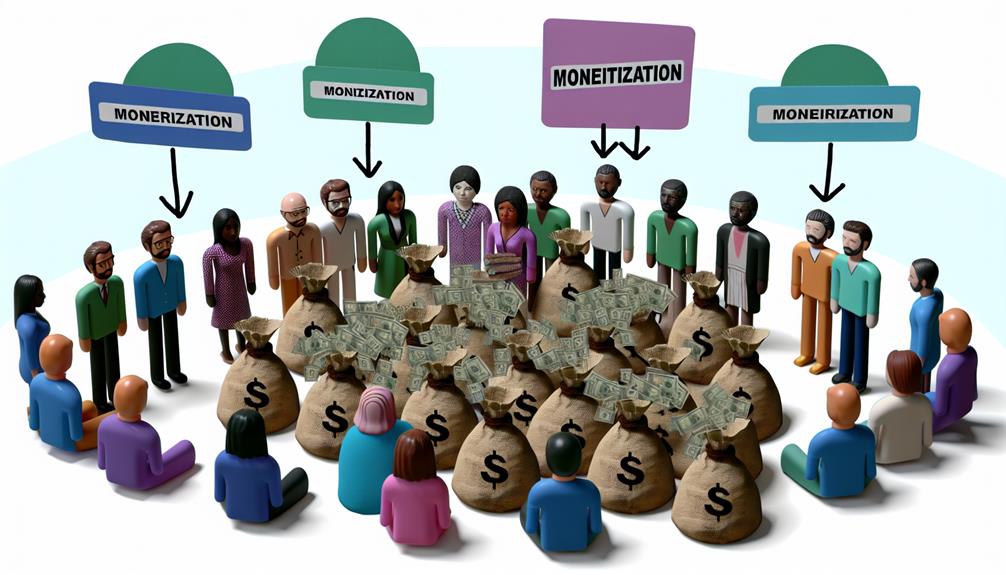
When it comes to the financial side of integrating chatbots into CRM systems, companies face some tough hurdles in making money, mostly due to high costs and the need to see returns on their investment.
To tackle these challenges head-on, it's crucial to boost chatbot performance, cut down on operational expenses, and make good use of data insights. Finding the right balance between cost-effectiveness and quality is key to getting the most out of chatbots in customer support.
Businesses should focus on increasing revenue through chatbots by boosting customer engagement, enhancing conversions, and improving operational efficiency. Successful money-making strategies require constant monitoring, analysis, and adjustments to ensure sustainable financial gains from chatbot projects.
Balancing Quality and Affordability in AI
When you're looking into AI-powered customer support teams, it's crucial to strike a balance between top-notch quality and affordability. This balance is key to keeping the industry growing and innovative.
Here are some important points to consider:
- Finding the Sweet Spot: Making sure your AI solution is top-quality but also cost-effective is vital for long-lasting success.
- Cutting Costs: Using AI tools that efficiently handle customer inquiries can save your company a significant amount of money.
- Dealing with Financial Limits: Companies are under pressure to cut costs, so it's important to develop AI solutions that offer value without breaking the bank.
- Innovation or Expenses: It's a fine line between investing in the latest AI tech and managing your budget effectively.
- Looking Ahead: Sustainable AI development means creating solutions that not only offer great service but also fit in with your financial objectives.
Frequently Asked Questions
Do Chatbots Reduce Customer Service Costs?
Absolutely, chatbots are a game-changer when it comes to cutting down customer service expenses. They tackle routine queries efficiently, resulting in a significant 30% decrease in costs. With the ability to address around 80% of customer inquiries, businesses can save big on staffing costs. Chatbots offer a cost-effective solution for round-the-clock support, making them a smart choice for businesses looking to streamline their customer service operations.
Does Chatbot Cost Money?
Absolutely, chatbots do come with a price tag. Monthly costs typically range from $500 to $5,000. However, when you compare this to the average salary of human customer service agents, which sits at around $3,873, chatbots offer round-the-clock support at a more budget-friendly rate, making them a smart and cost-effective choice.
What Is the Cost Estimation of Chatbot?
Setting up a chatbot can range from $500 to $5,000 per month, which is quite budget-friendly compared to the average monthly salary of human support agents at around $3,873. Chatbots are super efficient in handling a large volume of requests without any limitations, leading to significant cost savings on operations. It's like having a tireless helper always ready to assist, making things run smoothly and cost-effectively.
What Are the Disadvantages of Chatbots for Customers?
Dealing with chatbots can be a bit frustrating at times. They often struggle to understand what you're asking, especially if it's a bit complicated. And don't even get me started on how they sometimes completely miss the mark when it comes to picking up on your emotions – it's like talking to a brick wall!
One big issue is that these chatbots lack that personal touch. They can't quite grasp regional accents or dialects, which can leave you feeling like they're just not getting what you're saying. And let's face it, that's not a great feeling when you're trying to get some help or information. It's like they're speaking a different language sometimes!