

Picture having a tool that can predict your business's next moves almost like magic. Chatbots have transformed into just that – the crystal balls of modern business strategy. Their ability to foresee outcomes is revolutionizing how companies engage with customers, anticipate market trends, and make well-informed decisions.
But how do these AI-powered assistants pull off such accurate predictions and drive strategic choices so effectively? The secret lies in the sophisticated algorithms and data analysis techniques that fuel these chatbots, providing a peek into the captivating realm of optimizing business strategy through artificial intelligence.
Key Takeaways
Chatbots are like having a personal assistant at your fingertips, ready to engage with you in a way that feels truly tailored to your needs. They not only enhance customer interactions but also help businesses save a significant chunk of their customer support budget—up to 30% in some cases!
The trend of integrating chatbots into business operations is skyrocketing, with experts predicting that by 2024, a whopping 80% of businesses will have harnessed the power of these virtual helpers. This growth is reflected in the market numbers, too, with the global chatbot market expected to hit a staggering $1.25 billion by 2025.
Customers today are all about convenience, and it's no surprise that 63% of them prefer using messaging apps for customer service. This shift towards more interactive and immediate communication channels is reshaping the way businesses connect with their audience, making chatbots a must-have tool in the modern customer service repertoire.
Predictive Business Analytics With Chatbots
Unlocking the potential of predictive business analytics alongside chatbots can truly transform how you engage with customers. By diving into a wealth of data and harnessing the power of AI, chatbots have become indispensable for businesses aiming to understand customer behavior and market trends better. Through analyzing user interactions and patterns, chatbots can predict trends, preferences, and potential outcomes. This foresight enables personalized suggestions and targeted marketing strategies that drive proactive customer engagement.
At the heart of chatbots lies predictive analytics, offering invaluable insights for decision-making. By leveraging these predictive capabilities, businesses can anticipate customer behaviors and market shifts. Staying ahead of the curve and optimizing operations based on these insights can lead to increased customer satisfaction and business growth. The chatbots' ability to foresee customer needs and offer tailored solutions empowers businesses to create meaningful connections and foster lasting relationships with their audience.
Integrating predictive business analytics into chatbots not only boosts customer engagement but also aids in making informed strategic decisions. By tapping into the predictive powers of chatbots, organizations can uncover new opportunities, foster innovation, and achieve sustainable success in today's ever-evolving market landscape.
Role of AI in Market Forecasting
Discover the game-changing impact of AI in predicting market trends to transform your business strategies.
By tapping into cutting-edge algorithms, AI can forecast future patterns with precision, giving you up-to-the-minute insights for quick decision-making.
Let AI-powered forecasting tools steer you towards seizing opportunities, mitigating risks, and fine-tuning strategies for lasting success.
Embrace the power of AI to stay ahead of the curve and drive your business towards growth and innovation.
AI in Demand Prediction
When it comes to modern business strategies, AI is a game-changer in transforming market predictions with its advanced demand forecasting abilities.
By tapping into historical data and cutting-edge machine learning tools, AI excels at predicting market trends with precision. These AI systems dive deep into consumer behaviors, market dynamics, and external influences to anticipate demand patterns accurately.
By embracing AI for market forecasting, companies can cut costs, avoid running out of stock, and enhance customer satisfaction. AI-powered demand forecasting models assist businesses in optimizing their inventory, production, and marketing strategies for better results.
The role of AI in demand prediction empowers businesses to proactively adjust to shifting market conditions and outpace their rivals.
Forecasting With Machine Learning
In today's ever-changing business landscape, using machine learning to forecast market trends is key to making strategic decisions. Market forecasting with AI involves analyzing past data using advanced machine learning techniques to predict future outcomes accurately.
By processing large amounts of data, these AI-driven models offer valuable insights into potential market changes, helping businesses anticipate shifts and optimize their strategies ahead of time. These sophisticated algorithms can detect subtle patterns and trends that humans might miss, improving the accuracy and reliability of market predictions.
Embracing machine learning for forecasting gives businesses a competitive edge, enabling them to make well-informed decisions in the fast-paced world of business.
Chatbots in Data-Driven Decision Making
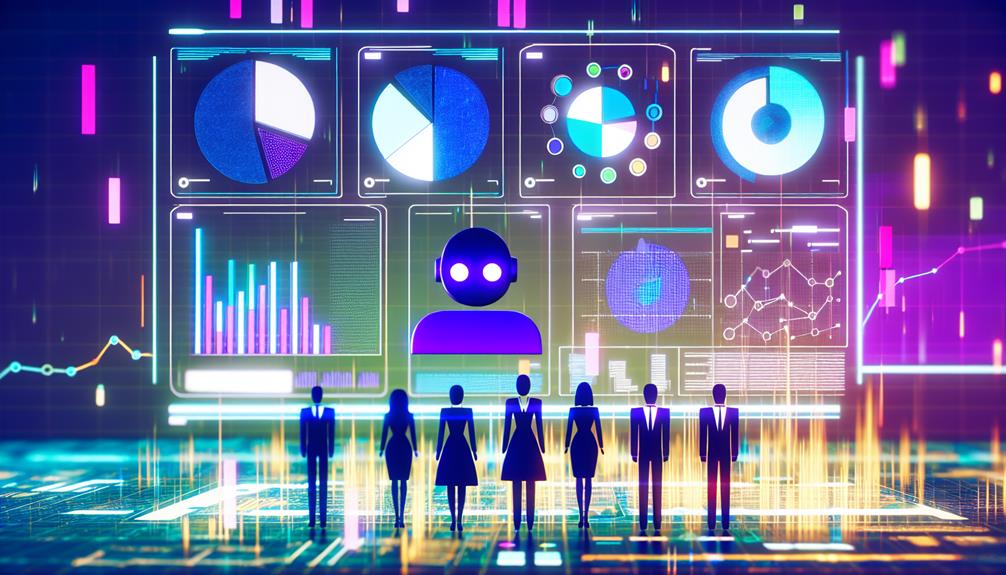
How can chatbots transform data-driven decision making in today's businesses?
Chatbots are game-changers when it comes to analyzing customer interactions for valuable insights. By collecting data from chatbot conversations, businesses can spot trends, preferences, and patterns in customer behavior. This data is gold for making informed decisions that boost efficiency and tailor strategies for success.
Chatbots serve as a vital link between companies and customers, offering real-time feedback that shapes strategic choices. By delving into the data from chatbot interactions, organizations can streamline processes and amp up their decision-making prowess. These AI-driven tools dish out actionable insights gleaned from customer chats and data scrutiny, empowering businesses to make savvy decisions that cater to customer needs and wants.
Integrating chatbots into data-driven decision making doesn't just streamline operations; it also paves the way for a more personalized customer experience. By leveraging chatbots to sift through data and draw insights, businesses can stay ahead of the game and tweak their strategies to meet shifting market demands effectively. Embracing chatbots in data-driven decision making is the ticket to unlocking fresh opportunities and fueling sustainable growth in today's business world.
Integrating Chatbots Into Business Intelligence
Adding chatbots to your business intelligence system can truly transform how you gather insights in real-time and improve decision-making processes. When you integrate chatbots into your BI strategy, a whole new world of possibilities opens up for your business to thrive. Let's dive into how this integration can benefit your organization:
- Deeper Customer Insights: Chatbots analyze customer interactions and behaviors, giving you valuable data to enhance your products and services.
- Personalized Customer Experiences: Through chatbots, you can offer tailored recommendations and solutions based on each customer's preferences and past interactions, boosting satisfaction levels.
- Efficient Data Collection: By incorporating chatbots into your BI systems, data collection becomes more streamlined, simplifying the process of gathering and analyzing information effectively.
- Informed Decision Making: Leveraging chatbots in business intelligence empowers you to make decisions based on real-time data and insights, leading to better outcomes.
- Competitive Edge: Companies that embrace chatbots in their BI systems gain a competitive advantage by employing data-driven strategies, keeping them ahead of the game in today's fast-paced business world.
Integrating chatbots into your business intelligence framework goes beyond just technology; it's about harnessing data and AI to drive tangible results and enhance the overall customer experience.
Benefits of Chatbots in Business Strategy

When you integrate chatbots into your business strategy, you unlock a host of benefits that elevate customer experiences and streamline operational efficiency. Chatbots offer personalized assistance by analyzing customer behavior and preferences, tailoring experiences to meet individual needs effectively. They excel in providing 24/7 customer support, handling simple queries and complex issues promptly to ensure customer satisfaction.
Additionally, chatbots are vital for data analysis as they collect and process information from customer interactions, providing valuable insights into customer preferences. This data empowers you to make informed decisions and adapt your strategies accordingly. By streamlining lead generation processes, chatbots engage users dynamically, reducing friction and boosting conversions.
Furthermore, chatbots enable real-time content customization, delivering personalized product recommendations to enhance the overall user experience. By incorporating chatbots into your business strategy, you not only improve customer satisfaction but also optimize operational processes, leading to enhanced efficiency and profitability. Embracing chatbots can transform your customer interactions and provide a competitive advantage in today's dynamic business landscape.
Addressing Predictive Analytics Challenges
Navigating the world of predictive analytics in chatbots can be a bit of a challenge, but fear not! By tapping into advanced algorithms and digging deep into data analysis, you can boost accuracy and gain actionable insights. Here are some savvy strategies to tackle those predictive analytics hurdles head-on:
- Mix It Up with Data: Throw in a variety of data sources to beef up those predictive models' accuracy.
- Keep It Fresh: Regularly tweak those machine learning algorithms to stay ahead of the curve and adapt to shifting trends and customer whims.
- Check Your Data Quality: Make sure your data is spot on – accurate, complete, and reliable – to supercharge your predictive analytics efforts.
- Team Up: Get your data scientists, developers, and business analysts in on the action to optimize those predictive analytics outcomes.
- Stay on Your Toes: Set up real-time data analysis capabilities to dish out instant responses and tailored interactions.
Limitations of Predictive Analytics in Chatbots
When you're diving into predictive analytics with chatbots, it's key to understand the boundaries that can impact how well they perform.
The accuracy of chatbot data and the range of responses they give are crucial factors to consider to make sure predictive analytics work effectively.
Recognizing these limitations will help you fine-tune your approaches and boost the overall efficiency of your chatbot interactions.
Chatbot Data Accuracy
When we dive into the world of chatbot data accuracy, it's clear that predictive analytics plays a crucial role in shaping personalized interactions and recommendations.
Let's break it down:
- Getting the Basics Right: Predictive analytics builds on past data to predict future trends.
- Watch Out for Biased Data: Incomplete or biased datasets can throw off the accuracy of the information.
- User Experience Matters: Inaccurate data can seriously impact the quality of interactions.
- Tailored Recommendations: The key to offering personalized recommendations lies in having accurate data at hand.
- Stay Vigilant: Continuously monitoring and refining data sources is essential for improving predictive analytics.
Understanding these aspects is vital for boosting chatbot performance and delivering top-notch user experiences.
Chatbot Response Variability
When it comes to understanding why chatbots give different responses, it's all about improving how we predict user needs to make their experience better.
In the world of AI trends, the real challenge is figuring out how people talk to chatbots in all sorts of ways. Sometimes, the responses vary because users ask tricky or unclear questions, making it tough for AI to get their meaning right. This uncertainty can lead to mixed-up chats that leave users feeling unsatisfied.
To fix this, companies need to sharpen up their AI models to guess what users want and reply accordingly. By dealing with these response differences upfront, chatbots can provide smoother, more personal chats that keep users happy and engaged.
Future of Chatbots in Business Strategy
The future of chatbots in business strategy looks incredibly promising, offering streamlined operations and improved customer experiences. Let's dive into the chatbot revolution and understand the current trends influencing their integration into modern business strategies, along with some insightful predictions:
- Tailored Customer Interactions: Chatbots now provide personalized interactions, meeting individual customer needs and boosting engagement.
- Cost-Effective Solutions: Businesses can save up to 30% on customer support costs with chatbots, making them a budget-friendly option for enhancing customer service.
- Rapid Adoption: By 2024, an estimated 80% of businesses are expected to have chatbots in place, underlining their increasing importance in business strategies.
- Global Market Expansion: The global chatbot market is set to hit $1.25 billion by 2025, showcasing substantial growth and acceptance in various industries.
- Messaging App Preference: As 63% of consumers favor messaging apps for customer service, incorporating chatbots into business strategies becomes increasingly crucial.
These trends emphasize the transformative influence of chatbots on business strategies, paving the way for smoother operations, enriched customer experiences, and better cost efficiencies.
Frequently Asked Questions
How Chatbots Are Helping Businesses?
When it comes to guiding businesses, chatbots act as trusted guides, pointing out the way to success. They boost customer service, simplify operations, and provide valuable insights. Offering round-the-clock assistance and personalized experiences, they revolutionize how you connect with customers and expand your business.
What Is Chatbot Strategy?
When you're crafting a strategy for your chatbot, think about how you can make those virtual assistants boost customer interactions and streamline your business tasks. By tapping into the power of AI, you can create customized experiences, offer support round the clock, and fine-tune your data analysis to ramp up engagement and efficiency. It's like having a 24/7 helper who knows just what your customers need, making everything smoother and more personalized for them.
How Are Chatbots Used by Other Businesses Today Provide Some Real Life Examples?
These days, businesses are all about using chatbots for a variety of tasks. In the world of e-commerce, you'll find them giving personalized recommendations, in healthcare, they're helping schedule appointments, finance is using them for transactions, travel companies are relying on them to book trips, and in education, they're there to answer any questions you might have. Chatbots are the go-to for streamlining operations, stepping up customer service, and making user experiences better across different industries.
How Could Chatbots Be Shaping the Future and Business?
When it comes to shaping the future of business, chatbots are game-changers. They completely transform how we interact with customers, streamline day-to-day tasks, and unlock valuable insights from data. By offering personalized assistance around the clock, these chatbots elevate user satisfaction and fuel business growth. My firsthand experience with chatbots has shown me their incredible potential to revolutionize customer engagement and drive success in the business world.

