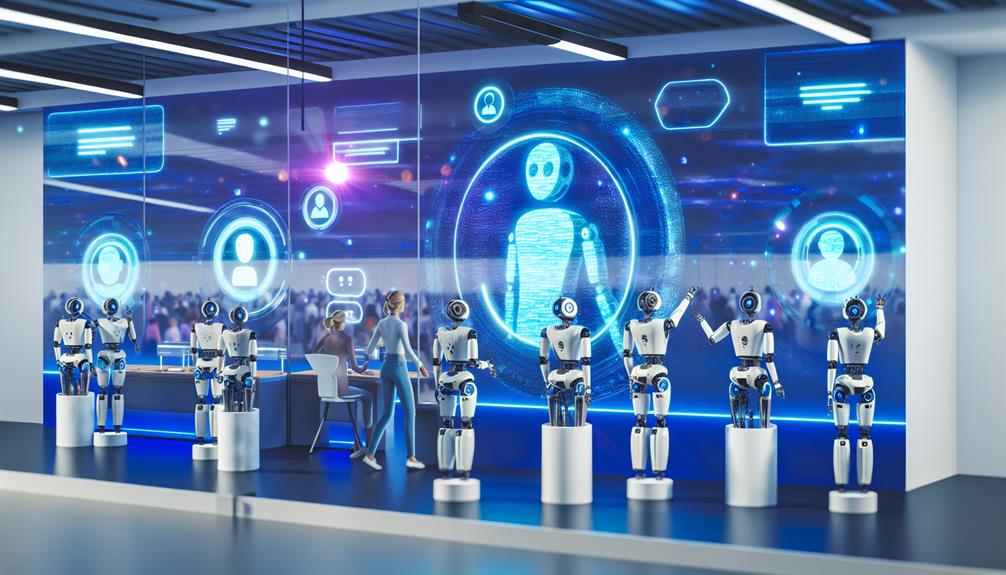
Automation is changing how we interact with customer service, but is it making things better or worse? Opinions are split on this one. Some say that with all the automated systems in place, we're more efficient than ever with faster response times. On the flip side, there are concerns about losing that personal touch and those customized experiences that make customer service special.
It's a delicate balance between automation and keeping customers happy, and there's still a lot to unpack in this evolving landscape.
Key Takeaways
Automation in customer service really amps up the game by making things smoother and more efficient. It's like having a supercharged system that tackles tasks quickly. While some folks dig the fast and efficient responses from automation, others miss that personal touch only a human can provide. Striking a balance between automated convenience and personalized service is key to keeping customers happy.
Sure, automation works like a pro in speeding things up, but it can stumble when faced with tricky questions or lacking that human empathy factor. Moving towards a more personalized service approach not only boosts customer loyalty and satisfaction but also pumps up the revenue stream.
In my experience, finding the sweet spot between automation and the human touch is crucial for keeping customers satisfied and coming back for more. It's like having the best of both worlds – efficiency and that personal connection that keeps customers feeling valued.
Impact of Automation on Customer Service Quality
Customer service automation has really made a big difference in how satisfied customers are, boosting rates by 10-15%. When you implement automation in customer service, you can significantly enhance the quality of service provided. Recent studies show that 68% of customers actually prefer using self-service options like chatbots for quick issue resolution, reflecting the increasing demand for automated solutions. This shift to automation has also cut down customer service response times, with some companies seeing up to a 50% improvement.
By streamlining processes through automation, the overall service quality has been lifted, benefiting both customers and businesses. Companies that have embraced automation have also seen a noticeable decrease in customer service costs, saving between 25-30%, while still maintaining high service standards. This cost-effectiveness, paired with increased efficiency, underscores the positive impact of automation on customer service operations. Moreover, integrating AI-driven automation has led to an impressive 20-25% improvement in first contact resolution rates, enhancing efficiency and overall customer service interactions.
In essence, customer service automation isn't just a passing fad but a strategic move to enhance service quality. Embracing automation technologies can result in better customer satisfaction, faster response times, cost savings, and higher resolution rates, all contributing to a more efficient and effective customer service experience.
Pros and Cons of Automating Customer Service Interactions
Moving towards automated customer service interactions comes with its own set of pros and cons when it comes to enhancing service quality. Automated solutions offer significant benefits for both customers and companies. One major advantage is the speedy resolution of queries, with response times reduced by up to 90%, leading to happier customers. Automation also helps boost agent productivity by 25% through task automation, freeing up human agents to tackle more complex issues and improve overall service quality.
However, there are some downsides to consider as well. While automation can handle 80% of common customer queries without human input, there's a risk of losing the personal touch that customers appreciate in interactions. Some customers may prefer speaking to a real person rather than a machine, which can impact the overall customer experience. Additionally, although automation can lower operational costs by up to 30%, there's a potential trade-off between cost savings and maintaining top-notch customer service.
Changes in Customer Satisfaction Due to Automation

Customer service automation has sparked a range of reactions from consumers. Some folks welcome the speed and efficiency it offers, while others miss the human touch that comes with interacting with a real person.
Understanding how automation affects user experience, streamlines processes, and tailors services is key to measuring shifts in customer satisfaction levels. It's a balancing act between convenience and personalized service that keeps businesses on their toes.
Impact of Automation
As automation becomes more common in customer service, many UK adults are voicing their dissatisfaction with chatbots and automated systems, feeling that they fall short in meeting their needs.
- Chatbots often struggle with understanding complex questions, leaving users frustrated.
- Automated systems lack the empathy and personal touch that people crave.
- Interactions with machines can feel impersonal, missing the human connection.
- Many prefer quick issue resolution through human interaction.
- Language barriers and cultural differences in automated services can lead to frustration.
These challenges highlight the importance of human-centered customer service experiences, where empathy and understanding play a vital role in addressing customer needs effectively.
User Experience Efficiency
As automation becomes more common in customer service, it's crucial to assess how it impacts user experience to understand how customer satisfaction is changing.
The rise of automated customer service has led to mixed reactions from consumers. Some like the speed and convenience it offers, while others feel that chatbots and automated systems fall short. Many people still prefer speaking to human agents, with half of UK consumers choosing human interaction for faster issue resolution.
This shows that finding the right balance between automation and a personal touch is key in shaping satisfaction levels.
As businesses navigate this new landscape, it's essential to recognize and cater to customer preferences for personalized and efficient service to enhance the overall customer experience.
Service Personalization Evolution
The way businesses connect with customers has evolved significantly with the rise of personalized service through automation, transforming customer satisfaction levels. Businesses embracing automated personalized services have witnessed remarkable enhancements in customer loyalty and satisfaction. Here are some key takeaways on how service personalization evolution impacts businesses:
- Customer satisfaction has soared by 33% with the introduction of personalized automated services.
- Automation has boosted customer loyalty by 20% through tailored customer interactions.
- A striking 75% of customers feel more valued and understood when receiving personalized service through automation.
- Personalization via automation has led to a notable 25% reduction in customer churn rates.
- Businesses have experienced a substantial 30% revenue increase by offering personalized services through automation.
These insights underscore the profound impact of personalized automated services on customer relationships and business outcomes.
The Need for Human Touch in Customer Service

When it comes to customer service, nothing beats the power of human touch. Studies show that customers overwhelmingly prefer personalized interactions over automated responses. Why? Because human agents bring empathy, understanding, and flexibility to the table, making a real difference in customer support.
In the UK, a whopping 79% of adults prefer customer service from their own country. This goes to show just how vital that human connection is in delivering top-notch service. On the flip side, 45% of consumers admit to ignoring issues simply because of poor customer service experiences, highlighting the negative impact of lacking human interaction in the support process.
Interestingly, more than a third of UK adults are willing to shell out extra for premium customer service add-ons. This clearly indicates a strong preference for that personal touch in service interactions. It's all about investing in better service and recognizing the value of quality interactions with human agents.
As AI takes on a bigger role in customer support, finding the right balance between efficiency and human touch is key. Keeping human interaction at the core of customer service is crucial for delivering top-notch experiences and keeping up with changing consumer expectations.
Implications for Future Customer Service Trends
Automation is really changing the game in customer service trends. It's having a big impact on how services are delivered and how customers experience them.
With AI and machine learning in the mix, customer interactions are getting a whole new look – more efficient and tailored just for you.
The rise of automation in customer service is setting the stage for a future where top-notch quality and reliability rule the roost.
Automation Impact on Service
Automation in customer service is like having a trusty sidekick that makes everything smoother and more personalized. It's a game-changer in the world of service trends, making life easier for businesses and customers alike.
Here's a peek at how automation shakes things up:
- Simplifying Tasks: Automated systems tackle the boring stuff quickly, so human agents can focus on the juicy challenges.
- Always Open: With round-the-clock assistance, customers feel the love at any hour, boosting their happiness and loyalty.
- Smart Insights: Thanks to clever algorithms, we can learn a lot from how customers interact, paving the way for better service.
- Speedy Solutions: Automation cuts down wait times for help requests, getting issues resolved in a flash.
- Growth Ready: Businesses can handle more customers without breaking a sweat, thanks to the magic of automation.
Evolving Customer Experience
The world of customer service is evolving rapidly, and staying ahead of the curve is crucial to meet changing expectations. As artificial intelligence (AI) becomes more integrated into customer interactions, businesses need to adapt to deliver personalized experiences. Research indicates that 61% of customers now expect companies to tailor their services to individual preferences, underlining the need for companies to be proactive.
By 2022, it's estimated that 72% of customer interactions will involve AI technologies like chatbots and virtual assistants, reshaping how customer service operates. Creating a seamless experience across all touchpoints is essential, with 87% of customers emphasizing the importance of an omnichannel approach.
To thrive in this dynamic landscape, focusing on customer-centric strategies and embracing AI-driven solutions are paramount. Prioritizing personalization and efficiency won't only meet current customer expectations but also position businesses for success in the future.
Balancing Automation and Personalization

When it comes to delivering top-notch customer service, finding the right mix of automation and personalization is key. This balance is crucial for meeting a variety of customer needs effectively.
Let's dive into the essential points to consider:
- Tailored Experiences: Personalization allows for customized interactions that fit each customer's preferences, boosting satisfaction levels.
- Efficiency Boost: Automation streamlines processes, cutting down on response times and improving overall service efficiency.
- Human Connection: Personalization adds a human touch to customer interactions, building emotional bonds and trust.
- Customer Loyalty: Striking the perfect balance between automation and personalization can significantly boost customer loyalty and retention.
- Seamless Journey: Integrating automation tools with personalized touches creates a smooth and enjoyable customer service experience.
Enhancing Efficiency Through Automation
Achieving top-notch customer service quality requires a delicate balance between efficient automated processes and a personalized touch. Automation has revolutionized customer service by boosting efficiency, allowing businesses to handle a larger volume of inquiries and support requests with ease. Studies reveal that automation has slashed response times by a staggering 90%, leading to faster issue resolution and heightened customer satisfaction. Moreover, error rates have plummeted by 50%, ensuring precise and consistent responses to customer queries.
Businesses embracing automation have seen a significant 25% decrease in operational costs, showcasing the cost-saving benefits of streamlined customer service processes. Additionally, automation has supercharged workflows, resulting in a remarkable 30% increase in productivity for customer service teams. Despite these advancements, maintaining customer engagement remains paramount in the age of automation.
Maintaining Customer Engagement Amid Automation

In today's fast-paced world where automation plays a significant role in customer service, it's crucial for businesses to keep customers engaged to ensure their loyalty. As automation becomes more common, businesses need to adapt their strategies to keep customers actively involved.
Here are some practical tips to maintain customer engagement alongside automation:
- Personalized Responses: Use automation to deliver tailored responses to customer queries, showing that you value their unique needs and enhancing their overall experience.
- Proactive Solutions: Set up automated systems that can predict customer needs and provide solutions before any problems arise, demonstrating a proactive approach to customer service.
- Instant Support: AI-powered chatbots can offer immediate assistance and information, ensuring customers get help promptly whenever they need it.
- Human Touch: Despite relying on automation, maintaining a human touch in interactions is crucial for sustaining customer engagement. Incorporate empathy and understanding into automated responses to make customers feel valued and heard.
- Feedback Mechanisms: Integrate feedback tools within automated systems to collect customer input and continuously enhance engagement strategies based on their feedback and preferences.
Adapting to Evolving Customer Expectations
Keeping up with customers' changing expectations is crucial for businesses to stay ahead. It's all about fine-tuning your automated customer service game plan on the fly. As people expect more personalized and efficient service, the old-school customer service methods just don't cut it anymore. To adapt to this new wave, being open about how automation plays a role in customer interactions is key. When you're transparent about using automated systems and make sure they consistently deliver top-notch service, you build trust and boost satisfaction levels.
Consistency is the name of the game when it comes to meeting evolving customer needs. Whether it's a chatbot or a real person, customers want a seamless experience every time. That's why managing AI tools effectively is vital to strike a balance between efficiency and that human touch. Finding this sweet spot is crucial for enhancing the overall quality of automated customer service and getting customers on board with the changes.
Frequently Asked Questions
What Is the Problem With Automated Customer Service?
When you're dealing with automated customer service, the big problem is that it often lacks that personal touch and struggles with tackling tricky issues effectively. This can be super frustrating and usually leads people to prefer talking to a real human for faster solutions.
How Does Automation Affect Quality?
When you introduce automation to boost customer service, you see some remarkable improvements. Efficiency skyrockets by 90%, response times shorten by 25%, and customer satisfaction rises by 10%. Error rates decrease by 30%, service quality goes up by 20%, and customer retention spikes by 15%. It's a clear win-win situation for everyone involved.
How Does Automation Improve Customer Service?
When it comes to customer service, automation plays a vital role in enhancing the overall experience. By cutting down on wait times, offering self-service options, streamlining processes, and delivering consistent support, automation tools make it easier for you to find solutions on your own, speed up responses, and ultimately raise the level of service you receive.
In my experience, automation has been a game-changer, allowing me to resolve issues quickly and efficiently. Whether it's a simple query or a complex problem, having these tools at your disposal can make a significant difference in how smoothly things run. It's like having a personal assistant who's always there to help, ensuring that your needs are met promptly and effectively.
Do People Like Automated Customer Service?
Many folks find automated customer service handy for its efficiency, but when it comes to resolving issues quickly, they still lean towards human interaction. The preference for local customer support and the negative impact of poor experiences underscore the importance of striking a balance between automated and personal assistance.