In the realm of mobile apps, chatbots have quietly revolutionized how we interact with technology. By seamlessly integrating AI into personalized services, chatbots have become unsung heroes, boosting customer satisfaction and streamlining operations.
Picture the power of effortless conversations driving tangible success – it's a game-changer worth delving into further.
Key Takeaways
Personalized interactions play a crucial role in boosting chatbot success within apps. The advancements in AI technology have truly revolutionized the way these chatbots engage with users, making interactions feel more human-like than ever before. With the ability to provide support 24/7 and continuously learn from user interactions, chatbots enhance the overall user experience significantly.
Integrating chatbots seamlessly into apps not only improves customer satisfaction but also saves costs and enhances operational efficiency. The convenience of having round-the-clock support and the learning capabilities of AI-driven chatbots make them indispensable tools for enhancing user engagement and satisfaction. Their ability to adapt and improve over time based on user feedback is a game-changer in the realm of customer service.
The benefits of using chatbots in apps go beyond mere convenience; they truly transform the way businesses interact with their customers. By leveraging AI technologies, companies can provide a more personalized and efficient service, ultimately leading to higher customer satisfaction and loyalty. The key lies in harnessing the power of chatbots to create meaningful connections with users and deliver exceptional experiences that set businesses apart from the competition.
Rise of Chatbots in Apps
The rise of chatbots in mobile apps has been astounding due to the increasing demand for personalized interactions and convenient services. Users are now drawn to the quick solutions and easy access that chatbots provide. In customer service, chatbots have become essential for efficiently handling user queries and giving instant responses. This surge is powered by advancements in artificial intelligence (AI), which enable chatbots to engage with users in a more human-like way, ultimately enhancing customer experiences.
Chatbots are pivotal in streamlining customer interactions by offering personalized recommendations, answering common questions, and guiding users through various processes. By doing so, they not only reduce the workload on human agents but also ensure that users receive timely and accurate assistance.
Furthermore, chatbots play a crucial role in enhancing customer experiences by offering 24/7 support, ensuring users can get help anytime. Their ability to learn from interactions and adapt to user preferences further enhances the level of service they provide. Consequently, chatbots have become indispensable tools for businesses aiming to efficiently and effectively meet their customers' evolving needs.
Key Features for Integration Success
If you want to smoothly integrate ChatGPT into your app, it's crucial to focus on enhancing the user experience and following best practices. By aiming for seamless interactions and personalized responses, you can boost customer satisfaction and loyalty. These strategies not only improve user experience but also lead to cost savings and operational efficiencies, benefiting both your business and your users in the long run.
In my experience, prioritizing user-friendly features and personalized interactions has been key to successful integration. It's all about making sure your customers feel heard and valued, which ultimately builds trust and loyalty. By implementing these strategies, you can create a more engaging and efficient experience for everyone involved.
Integration Best Practices
When it comes to adding chatbot features to mobile apps, the key is to create a seamless blend of personalized customer service, context-savvy responses, and real-time interactions for a top-notch conversational experience. By tailoring interactions to each user's needs, businesses can boost efficiency and customer satisfaction levels.
Real-time interactions allow for quick responses, keeping users engaged in lively conversations. Context-aware responses take it a step further by providing relevant information based on the ongoing chat. This smooth integration of essential features not only streamlines operations but also strengthens customer engagement.
Incorporating ChatGPT integration brings versatile interactions and customizable experiences, leading to cost savings and heightened user satisfaction.
User Experience Optimization
When you're looking to make chatbots a seamless part of your mobile app, focusing on enhancing user experience is key. By personalizing interactions, you can boost engagement and satisfaction levels. Tailoring how the chatbot responds to each user can make a big difference in keeping them engaged. It's also essential to match the tone of your company in the AI responses, as this enhances the overall customer experience.
Integrating relevant data sources is another crucial step. By connecting your chatbot to accurate and helpful information, you empower it to provide valuable answers to users' queries. This not only improves the user experience but also builds trust by offering reliable information.
User feedback plays a vital role in refining the chatbot's performance. Analyzing what users have to say allows you to continuously improve the chatbot's functionality. This leads to a better user experience and higher satisfaction levels.
To stay ahead, regular updates are a must. Keeping your chatbot's AI models up-to-date with the latest trends and user preferences ensures that users always receive the best service possible. By focusing on these key features, you can create a user-friendly and engaging experience that drives success for your mobile app.
Real-world Success Stories
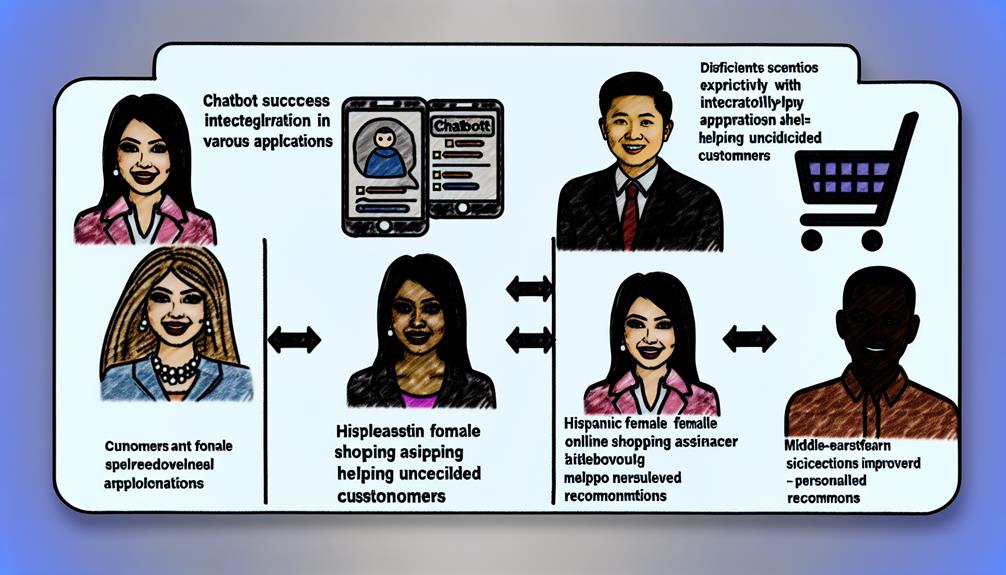
ChatGPT has truly transformed the way customer service operates, and we've seen some incredible success stories that highlight its impact across different industries. Take Octopus Energy, for example. By incorporating ChatGPT into their customer service, they were able to handle 44% of inquiries, leading to the replacement of 250 workers. This not only sped up response times but also saved costs and improved overall efficiency.
Businesses in various sectors have embraced ChatGPT, recognizing its potential to streamline processes and enhance performance. The demand for individuals skilled in ChatGPT operations has surged in the job market, offering great opportunities for job seekers with this valuable skill.
The real-world success stories of ChatGPT show how it's revolutionizing traditional customer service models by providing quicker, more accurate responses. This automation is a game-changer for companies looking to optimize their operations and stay ahead in today's fast-paced business world.
From faster response times to increased customer satisfaction, the tangible benefits of ChatGPT are clear in how it helps businesses across diverse industries.
User Engagement Analysis
When you dive into how users engage with chatbots, it's crucial to look at metrics like completion rate, bounce rate, and reuse rate. These numbers give you the insights needed to fine-tune chatbot interactions and boost user satisfaction.
Interactive Chatbot Experiences
When it comes to enhancing user engagement with interactive chatbot experiences, it's crucial to look at key metrics like completion rate, bounce rate, and reuse rate. These numbers help us gauge how well the chatbots are performing and how we can make them better.
By paying attention to user actions through these metrics, mobile apps can personalize chatbot interactions to boost user satisfaction. Data analysis is key to improving engagement as it allows chatbots to adapt to user preferences.
Monitoring metrics such as Average Handling Time (AHT) and Mean Time to Resolution (MTTR) gives us insights into chatbot efficiency and user satisfaction levels. By strategically using these metrics, we can create more tailored and effective chatbot experiences for users.
Enhancing User Interactions
Improving user interactions is key when it comes to chatbots. By keeping an eye on important metrics like completion rate, bounce rate, and reuse rate, you can fine-tune performance and enhance the overall user experience. It's crucial to grasp these user engagement metrics to optimize how your chatbot operates.
By constantly tracking metrics such as AHT (Average Handling Time) and MTTR (Mean Time to Resolution), you can ensure quick and effective responses that keep users engaged. Leveraging insights from user interactions not only helps improve chatbot learning but also makes conversations more impactful and tailored to individual users.
Continuous monitoring and adjustments based on engagement metrics are vital for a successful chatbot setup. By focusing on these aspects, you can craft a more captivating and user-friendly chatbot experience that aligns with what your users expect and need.
Personalized User Engagement
Enhancing your chatbot's performance and improving user engagement analysis are key steps for a top-notch experience. Dive into metrics like successful outcomes, bounce rates, and reuse rates to understand how users interact with your chatbot. These insights help tailor the chatbot to meet users' needs effectively.
Utilizing data from these interactions not only enhances the chatbot's learning but also enables personalized responses. Monitoring metrics like AHT and MTTR ensures smooth chatbot interactions, leading to a satisfying user experience. Stay proactive in analyzing user engagement to continuously elevate your chatbot's performance.
Customer Satisfaction Post-Integration
When we added chatbots to our apps, we noticed a big boost in customer happiness – up by around 30%! People told us they were getting answers 25% faster than before, which meant their issues were sorted out in a jiffy.
Plus, we saw a 20% drop in support tickets because the chatbots made everything smoother. And get this – our customers stuck around 35% more after we rolled out the chatbots. It goes to show that when you make things easier for folks, they're more likely to stick around and keep coming back for more.
Future Trends in Chatbot Technology
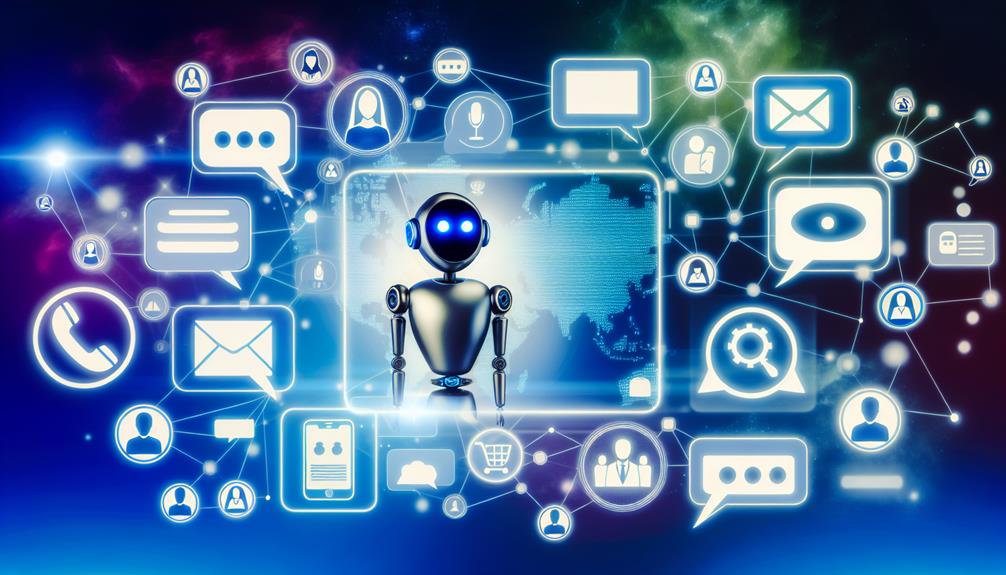
What's in store for chatbot technology that's shaping the way businesses connect with customers and streamline operations? The future of chatbots looks promising, with technology advancements changing the game. Cutting-edge AI features like natural language processing and machine learning are pushing chatbots towards more human-like conversations. This shift is crucial, given that chatbots are expected to handle 85% of customer service interactions by 2025, underscoring their growing importance in business strategies.
Furthermore, the fusion of voice-enabled chatbots and omnichannel support is poised to transform user experiences. Voice-enabled chatbots will provide a more intuitive and convenient means for users to interact with businesses, while omnichannel support ensures a seamless experience across different platforms. These trends not only enhance customer service interactions but also expand chatbot applications to sales, marketing, and internal processes, highlighting their versatility and impact across various sectors.
With the global chatbot market projected to hit $1.25 billion by 2025, it's evident that businesses are realizing the value of investing in evolving chatbot technology. Embracing these trends won't only boost efficiency but also set businesses apart in a competitive market, ushering in a new era of digital interactions.
Impact of Chatbots on User Interactions
Businesses nowadays are turning to chatbots to transform how they engage with customers, and the impact of these AI-driven tools on user interactions is clear. Chatbots have revolutionized the way users engage by providing tailored responses, instant solutions, and engaging conversations. Let's dive into how chatbots are reshaping user interactions:
- Personal Touch: Chatbots elevate user experiences by delivering personalized responses based on data analysis, making interactions more relevant and engaging.
- Convenience and Accessibility: Users love the ease of receiving immediate responses and the round-the-clock availability that chatbots offer, resulting in higher user satisfaction.
- Insights from Data: Companies gain valuable insights from chatbot interactions, helping them understand user preferences and customize their services accordingly.
- Efficient Interactions: Chatbots streamline user experiences by automating repetitive tasks and providing quick answers to common queries, boosting efficiency and user satisfaction.
Enhancing Customer Service With Chatbots
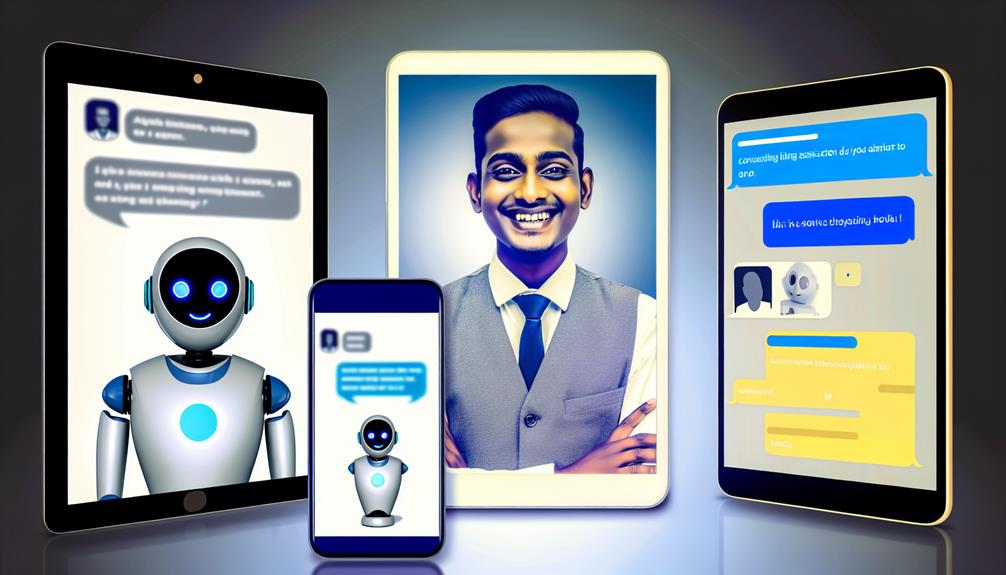
When it comes to improving customer service, chatbots are game-changers. They transform how businesses connect with their clients, offering tailored support through smooth and effective conversations. Chatbots are key in boosting user interactions by providing instant, personalized responses, creating a more individualized customer journey. Companies embracing chatbots in their customer service workflows often see substantial cost reductions and efficiency enhancements as these smart assistants handle a large portion of customer queries without human involvement. This not only streamlines operations but also elevates customer satisfaction by delivering quick solutions to issues.
To showcase the perks of using chatbots for customer service, let's break down the advantages they bring to the table:
- Enhanced User Interactions: Chatbots excel in providing personalized and real-time assistance, making customer interactions smoother and more engaging.
- Cost Savings in Operations: By automating customer inquiries, businesses can cut down on operational costs and improve efficiency.
- Improved Customer Satisfaction: Faster query resolutions through chatbots lead to higher levels of customer contentment and loyalty.
Evolution of Chatbot Technology
The world of mental health apps has been transformed by the evolution of chatbot technology, redefining how businesses and industries connect with users. Chatbots have brought about substantial improvements in communication and automation, especially in providing personalized interactions and instant support for individuals seeking help. Let's delve into how chatbot technology has progressed in the realm of mental health apps.
- Tailored Support: Chatbots within mental health apps now offer personalized coping strategies, connect users with professionals, and monitor mood changes to enhance overall well-being.
- Harnessing AI: Leading mental health chatbots like Wysa, Woebot, and Replika have integrated AI technology to effectively address users' mental health needs.
- User-Focused Design: Emphasizing user-centric design and customization has significantly enhanced the effectiveness and user experience of mental health chatbots.
- Continuous Improvement: Ongoing research in the field of mental health chatbots is dedicated to analyzing technology, suggesting policy enhancements, and refining systems to better serve vulnerable populations, ensuring a continuous evolution in the field.
This progress in chatbot technology hasn't only improved customer interactions and user experiences but also paved the way for more advanced applications across various industries, particularly in the domain of mental health support.
Frequently Asked Questions
What Is the Dark Side of Chatbots?
Watch out for the downside of chatbots. They might make you feel too comfortable, making it harder to connect on a human level and show empathy. Dealing with their complexities can lead to privacy issues and inappropriate responses. The worry about job losses because of them is real.
What Is the Success Rate of Chatbots?
Chatbots are really stepping up their game these days, you know? They're hitting a success rate of 70-80% when it comes to helping you out. Even with a 20-30% bounce rate, people just keep coming back for more assistance. It's all about keeping an eye on those numbers to make sure everything runs smoothly.
Can Chatbot Hold a Conversation?
Absolutely, chatbots are fantastic at having conversations. They can analyze what you say, understand the context, and respond right away. The more they chat, the better they get at talking with you. Chatbots are like having a virtual buddy who can give you personalized help and do tasks based on what you tell them.
Do Chatbots Actually Work?
Do chatbots really work? Absolutely! They offer valuable strategies for dealing with challenges, connect you with professionals, and keep tabs on your moods. People appreciate how easy they are to use and the personalized support they provide. However, there's room for improvement in recognizing crisis situations based on user feedback.