As you navigate the online world, safeguarding your personal information is crucial. Chatbots are becoming increasingly popular for interactions, but concerns about data security are valid.
Let's delve into how chatbots use strong encryption methods to protect your privacy and ensure a secure user experience. By exploring the layers of data protection in chatbot technology, you'll uncover the shield that keeps your sensitive information safe from unauthorized access.
Join me in exploring how innovation and security intertwine in the realm of chatbot encryption for a safer digital experience.
Key Takeaways
Encryption plays a crucial role in keeping your online interactions safe and secure. Think of encryption like a secret code that protects your sensitive information from prying eyes on the internet. It's like having a virtual lock and key that only you and the intended recipient can access.
One common encryption method is AES, which is like a high-tech security guard for your data. Then there's RSA, another safeguard that ensures your chatbot conversations remain private and confidential. These encryption techniques are like invisible shields that shield your personal details from cyber threats lurking in the digital world.
When you send data online, SSL/TLS protocols act as bodyguards, ensuring that your information is safely transmitted from point A to point B. It's like having a secure tunnel for your data to travel through, protected from any potential eavesdroppers.
Understanding encryption is key to preserving your privacy in the world of chatbots. Just like you wouldn't share your banking details with a stranger, encryption ensures that your sensitive information stays between you and the intended recipient.
Encryption keys are like the secret handshakes that unlock the doors to secure data storage and communication. Without these keys, it's like trying to open a locked safe without the combination – impossible!
So, next time you interact with a chatbot or share sensitive information online, remember that encryption is your digital bodyguard, keeping your data safe and sound.
Rise of Chatbot Technologies
The journey of chatbot technology has been quite a ride, evolving from basic rule-based models to cutting-edge natural language processing systems. This shift has been fueled by the progress in machine learning algorithms, allowing chatbots to dive deep into user interactions and deliver more precise and contextually fitting responses.
A significant aspect that has grown alongside chatbot advancement is the focus on security. With chatbots handling heaps of user data, keeping this information safe and confidential has become a top priority. By employing robust data encryption techniques, chatbots can shield sensitive details shared during interactions, building user trust and ensuring safety.
Tech giants like Google, Facebook, and IBM have been instrumental in pushing the boundaries of chatbot technology. Their innovations have paved the way for voice assistants driven by natural language processing, information retrieval, and machine learning methods to become commonplace in various applications.
Understanding Data Encryption Importance
Understanding the importance of data encryption is crucial in safeguarding sensitive information from unauthorized access. Data encryption plays a vital role in protecting valuable data from cyber threats by converting it into a code that can only be decoded with the right key. This ensures the confidentiality of information during transmission and storage, making it inaccessible to unauthorized parties.
Encrypting sensitive data adds an extra layer of security, reducing the risks of data breaches and unauthorized intrusions. Modern encryption standards such as AES and RSA provide strong protection against various cyber threats, making them essential tools in ensuring user safety and trust in digital interactions.
To visually demonstrate the significance of data encryption, let's break it down:
- Data Encryption: It transforms data into a code to safeguard sensitive information.
- Preventing Unauthorized Access: It stops unauthorized parties from getting hold of the data.
- Protection Against Cyber Threats: It shields data from cyber threats and potential breaches.
In today's digital landscape, data encryption is like a sturdy lock that keeps your information safe from prying eyes and malicious actors. By understanding and implementing encryption practices, you can fortify your data and maintain a secure online presence.
Methods Used in Chatbot Encryption
When it comes to keeping your conversations secure, chatbot encryption methods play a crucial role. Think of encryption techniques like AES and SSL/TLS protocols as the superheroes that ensure your data stays safe, private, and intact during your chats. It's like having a shield around your sensitive information.
Understanding how these encryption methods work is key to protecting the valuable details shared in your interactions. So, next time you chat with a bot, rest assured that your information is in good hands thanks to these security measures.
Encryption Techniques Overview
When it comes to keeping chatbot data secure, encryption methods like AES, RSA, and SSL/TLS are vital. Let's dive into three key encryption techniques commonly used in chatbot security:
- AES (Advanced Encryption Standard): AES is a top-notch choice for securing chatbot conversations effectively, ensuring that sensitive data remains confidential.
- RSA (Rivest-Shamir-Adleman): RSA steps in for secure key exchange and digital signatures, adding an extra layer of security to chatbot encryption by verifying users and safeguarding communication channels.
- SSL/TLS Protocols: These protocols create encrypted connections, guaranteeing safe data transfer between users and chatbots. This shields sensitive information from unauthorized access.
In the realm of chatbot security, employing these encryption methods is like having a sturdy lock on your digital conversations, ensuring your privacy and security are well-guarded.
Data Security Measures
Data encryption methods are crucial for keeping chatbot data safe and secure during transmission and storage. Encryption techniques like AES, RSA, and SSL/TLS protocols are commonly used to protect data as it moves between parties and while at rest.
SSL and TLS protocols create encrypted connections to ensure secure data exchange. End-to-end encryption adds an extra layer of security by encrypting data at its source and only allowing the intended recipient to decrypt it, maintaining confidentiality.
Encryption keys are essential in this process, enabling secure encryption and decryption of data, bolstering data protection.
Privacy Protection Strategies
Ensuring the privacy and security of user data in chatbot interactions is crucial. Chatbots employ robust encryption methods to safeguard information effectively:
- SSL/TLS Encryption: Chatbots use SSL/TLS protocols to secure data during transmission, keeping exchanges between users and the chatbot confidential.
- AES Encryption for Data at Rest: Techniques like AES encrypt data on servers, preventing unauthorized access and enhancing privacy.
- Secure Hashing Algorithms: Chatbots utilize algorithms like SHA-256 to protect sensitive information in databases, enhancing data security and integrity.
These encryption strategies play a vital role in maintaining the confidentiality and integrity of user data within chatbot interactions.
Evaluating User Security Benefits

Protecting users through strong encryption methods is crucial for ensuring the security advantages of chatbot systems. Data encryption plays a vital role in keeping sensitive information safe from unauthorized access. End-to-end encryption ensures that the data shared during chatbot interactions remains private, enhancing overall security measures.
In addition to data encryption, strict access controls further bolster user security by implementing measures like multi-factor authentication. These controls restrict unauthorized access to user data, providing an additional layer of protection within chatbot platforms. Regular security audits and updates are also essential for proactively identifying and addressing vulnerabilities to maintain high safety standards.
Addressing Implementation Challenges for Developers
Implementing strong encryption protocols in chatbots can be quite a challenge. Ensuring the safety of user data is crucial, but it often requires specialized knowledge and resources that not all developers may have at their disposal.
Finding the right balance between encryption strength and chatbot performance is key to keeping things running smoothly. It's like walking a tightrope to make sure your chatbot is both secure and efficient, without compromising on either front.
Encryption Best Practices
When it comes to keeping your data safe in chatbot development, it's crucial to follow top-notch encryption practices to protect user information. Here are three key strategies to boost data security:
- Use Strong Encryption: Opt for reliable encryption methods like AES to ensure data remains confidential and intact.
- Embrace End-to-End Encryption (E2EE): By implementing E2EE in chatbots, you can safeguard user conversations from being snooped on or intercepted.
- Securely Manage Encryption Keys: Properly handling encryption keys is vital to thwart data breaches. Make sure to store and manage these keys securely.
Developer Training Needs
When it comes to ensuring chatbot security, developers need to focus on providing comprehensive training programs. These programs should cover encryption techniques and secure coding practices to effectively address implementation challenges and protect user data.
Understanding the importance of encryption protocols and data protection measures is crucial in safeguarding sensitive information. Staying updated on emerging security threats and industry best practices is essential in the ever-changing cybersecurity landscape.
By honing skills in encryption technologies and secure development methodologies, developers can enhance chatbot security measures significantly. Investing in training that emphasizes encryption best practices and secure coding principles will ensure that chatbots can handle user data securely, fostering trust with users.
Continuous education and skill development are key to staying ahead and maintaining robust data protection in chatbot implementations.
Security Testing Strategies
When it comes to ensuring the security of your chatbot systems, having the right testing strategies in place is crucial. Here are some key approaches that can help boost the security of your chatbots effectively:
- Penetration Testing: By simulating cyber-attacks, you can uncover any vulnerabilities in your system and gauge how well it can withstand threats.
- Code Reviews: Regularly examining the codebase is essential to spot any security flaws, encourage secure coding practices, and uphold the overall security of your chatbot system.
- Threat Modeling: By analyzing potential security risks and vulnerabilities, you can proactively design strong security measures and safeguards for your chatbot system.
Data Encryption Protocols in Chatbots
When it comes to keeping your information safe while using chatbots, cutting-edge encryption algorithms are the unsung heroes. These algorithms work behind the scenes to convert your sensitive data into a secret code that only you and the chatbot can understand, keeping it secure from prying eyes.
One of the main players in this encryption game is the Advanced Encryption Standard (AES), known for its efficient and rock-solid security measures. AES locks up your data with a key, ensuring that only the intended recipient with the right key can unlock it.
On the flip side, there's the Rivest-Shamir-Adleman (RSA) encryption algorithm, which takes a different approach. It uses a pair of keys – one public and one private – to encode and decode data, adding an extra layer of security by letting anyone encrypt the data with the public key but only the holder of the private key can decrypt it.
End-to-End Encryption in Chatbot Interactions
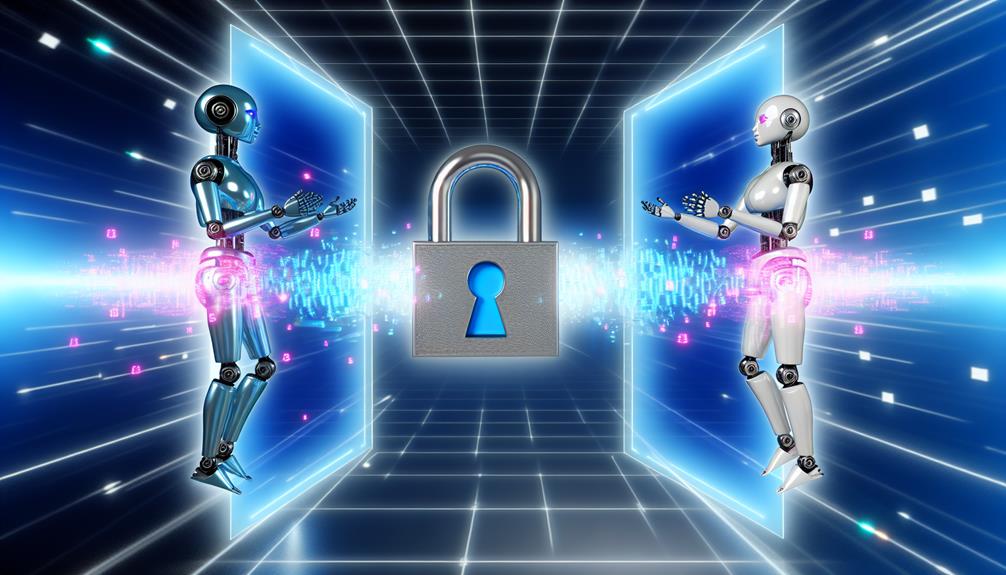
When it comes to chatting securely with a chatbot, end-to-end encryption plays a crucial role in keeping your messages private and safe from prying eyes. This security feature ensures that only you and the chatbot can access the conversation, keeping sensitive information protected.
It's like having a digital lock that only you and the chatbot hold the keys to, making sure your privacy is maintained during every interaction.
Data Security Measures
When it comes to keeping your data safe during chatbot conversations, using strong encryption is key. This ensures that your personal information stays confidential and protected from any unwanted eyes.
Here are three important things to consider:
- End-to-End Encryption: This security measure makes sure that your data is scrambled from the moment you send it until it reaches the person you're chatting with. It's like putting your information in a locked box that only the intended recipient can open.
- Following Data Protection Rules: Adhering to laws like GDPR means that your personal data has to be encrypted when you're chatting with a chatbot. This extra layer of security helps keep your information safe and sound.
- Keeping Out Intruders: By encrypting your messages all the way through, you reduce the chances of hackers getting their hands on your data. This way, your privacy and data integrity are maintained, giving you peace of mind while chatting away.
Privacy Protection Techniques
When it comes to privacy in chatbot conversations, ensuring your information stays confidential is key. One way this is done is through strong end-to-end encryption methods.
This encryption ensures that the personal details you share with the chatbot are securely sent to the server without the risk of unauthorized access. It basically jumbles up your data so that only the intended recipient can unscramble it, keeping it safe from prying eyes.
By using end-to-end encryption, chatbots guarantee that your info remains private and untouched during your chats. This extra layer of security creates a safe line of communication that shields your data from potential threats, making sure your personal information is well-protected.
User Confidentiality in Chatbot Communication
When you chat with a bot, your privacy is top priority. The magic behind this? Data encryption. It's like a secret code that keeps your info safe from prying eyes. Here's why it's a big deal:
- Locked Up Tight: Encryption shields your data by turning it into a secret language. This makes it super tough for sneaky folks to peek at your sensitive stuff.
- Secret Chat: Bots use encrypted lines to chat with you. Your words get scrambled into a code that only the right peeps can decode, making sure your talks stay hush-hush.
- No Peeking Allowed: Encryption stops nosy outsiders from sneaking a peek at your personal deets. By locking up your info, only the right folks can unlock it, keeping your privacy rock solid.
Protecting Personal Data in Chatbot Systems
Data encryption is like the superhero cape for safeguarding personal info in chatbots. Think of it as a shield against sneaky cyber intruders trying to peek at your private deets. Whether you're chatting away or taking a break, encryption keeps your data locked up tight. It's like having a trusty vault for your personal info, thanks to nifty tech like end-to-end encryption.
Adding data encryption to chatbots is a game-changer for user safety. With top-notch encryption in place, your personal details stay safe from any shady characters out to cause trouble. By sticking to secure data practices and using tools like end-to-end encryption, chatbots keep your secrets safe and earn your trust. It's all about keeping your data secure and ensuring your privacy in the digital jungle.
Enhancing User Trust in Chatbot Safety
Ensuring robust security in chatbot systems is crucial for building user trust in the platform's safety. To boost confidence in chatbot security, consider these key strategies:
- End-to-End Encryption: Implementing end-to-end encryption in chatbots guarantees the confidentiality of sensitive user information. This encryption method secures data as it moves between the user and the chatbot, keeping it safe from unauthorized access.
- Multi-Factor Authentication: Enhance user data security by incorporating strict access controls and multi-factor authentication mechanisms. This extra layer of security verifies user identities using multiple credentials like passwords, biometrics, or security tokens, reducing the risk of unauthorized access.
- Security Audits: To uphold user trust, regularly conduct security audits and updates to proactively address vulnerabilities. By consistently evaluating the chatbot system's security measures, potential weaknesses can be identified and rectified, ensuring a secure environment for user interactions.
Frequently Asked Questions
How Do I Make My Chatbot Secure?
To keep your chatbot secure, it's essential to prioritize privacy and data integrity. Implementing end-to-end encryption, enforcing strict access controls, conducting regular security audits, using multi-factor authentication, and focusing on user trust are key steps in enhancing safety.
By securing your chatbot with end-to-end encryption, you ensure that all communication remains private and protected from unauthorized access. Strict access controls help in managing who can interact with your chatbot and what information they can access.
Regular security audits are like health check-ups for your chatbot, ensuring that all security measures are up to date and effective. Multi-factor authentication adds an extra layer of protection by requiring users to provide multiple forms of verification before accessing sensitive information.
Above all, prioritizing user data integrity and privacy builds trust and confidence in your chatbot. Users are more likely to engage with a chatbot that values their privacy and keeps their information secure. By following these measures, you can create a safe and trustworthy chatbot experience for your users.
How Secure Are Chatbots?
Chatbots become more secure when encryption is in place. Encryption jumbles up data, so unauthorized folks can't make heads or tails of it. Secure methods like HTTPS and SSL/TLS add extra layers of protection. By using encryption techniques, you ensure user safety and build trust.
What Are the Security Threats of Chatbots?
Chatbots can pose serious security risks like data interception, breaches of confidentiality, and being used to spread harmful content. To safeguard user information, it's crucial to have end-to-end encryption in place. Keeping a close eye on interactions and implementing strong security measures are key to spotting and preventing any potential breaches. It's like having a security guard watching over your digital conversations, making sure everything stays safe and secure.
Is It Safe to Share Personal Information With a Chatbot?
When you share your personal info with a chatbot, it's all good if the platform uses top-notch encryption. Your data stays private and safe from any sneaky peeks. Reliable chatbots take your safety seriously, making sure your interactions are secure and sound.