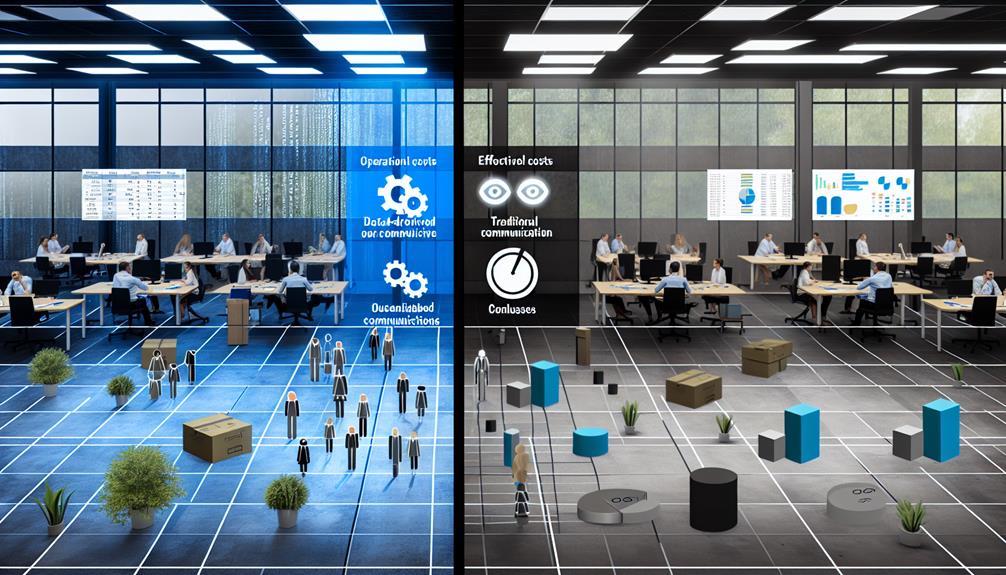
When it comes to cutting costs, chatbots have become valuable allies, changing how businesses operate efficiently. These smart software solutions, powered by automation and AI, are paving the way for significant savings and better customer interactions.
From various industries, everyone is tapping into the benefits of chatbots to streamline tasks and make the most of resources. But what exactly makes these digital assistants so crucial in the cost-cutting game, and what can we expect as this digital transformation continues to evolve?
Key Takeaways
Chatbots are total money savers, cutting costs by a whopping $8 billion every year. Businesses can knock off up to $0.70 per chatbot interaction, making a big dent in expenses. When it comes to reaping the benefits, healthcare and banking sectors are leading the pack in integrating chatbots. The global kitty saved by chatbots is currently cruising around $20 million. They're like the efficiency heroes, automating tasks, delivering speedy service, and ramping up operational smoothness.
Impact of Chatbots on Operational Costs
Chatbots are on track to shake up how industries manage their expenses, with expected savings surpassing $8 billion annually by 2022. The impact of chatbots on cutting operational costs is huge, offering businesses significant savings through their adoption. Each interaction could potentially save up to $0.70, highlighting how efficient and cost-effective chatbots are in handling tasks and inquiries.
Industries like healthcare and banking are primed to see the most benefits from integrating chatbots, with substantial cost reductions on the horizon. Currently, businesses worldwide are already saving $20 million thanks to chatbots, showcasing the increasing trend of using this technology for financial efficiencies.
Even though healthcare chatbots only independently handle queries successfully 12% of the time, the overall impact on operational costs looks promising. As businesses embrace and enhance chatbot capabilities, the potential for even more savings becomes clearer. By automating routine tasks, delivering speedy customer service, and streamlining operations, chatbots are at the forefront of driving down expenses and boosting efficiency in the years ahead.
Areas of Cost Reduction Enabled
Chatbots offer a great way for businesses to make customer interactions smoother, which can lead to saving a lot of money. By automating everyday tasks and customer support, companies can work more efficiently and cut down on labor costs.
The potential to save up to $0.70 per interaction highlights just how big an impact chatbots can have on cutting overall expenses.
Chatbot Automation Benefits
Businesses can see significant benefits from using AI-powered chatbots to automate tasks. These chatbots help cut costs, streamline operations, and improve customer service. Studies suggest that chatbot automation could save companies more than $8 billion every year by 2022, with the healthcare and banking sectors leading the pack.
Each chatbot interaction could save up to $0.70, adding up to global savings of $20 million. While current healthcare chatbots can handle about 12% of queries independently, ongoing AI advancements are expected to boost these savings even further.
Operational Efficiency Enhancements
Looking to cut costs in your business? AI-powered chatbots can be a game-changer. Here's how they can boost operational efficiency:
- Always On: Chatbots are like your 24/7 customer service team, handling inquiries anytime. This means happier customers and smoother operations.
- Grow without the Grind: Chatbots can juggle multiple tasks at once, so you can expand your business without a big spike in costs. It's all about using resources wisely.
- Insights at Your Fingertips: These bots crunch tons of customer data, giving you key insights. Use this info to fine-tune processes, improve services, and tackle pain points for a more efficient operation.
- Personal Touch: With AI smarts, chatbots can tailor solutions just for your customers. This personalization boosts satisfaction and loyalty by meeting individual needs head-on.
Try out these AI chatbots and see the difference firsthand in your business operations.
Reduction in Labor Costs
Cutting down on labor costs is a game-changer for businesses, especially with the help of automation tools like chatbots. These smart technologies handle customer queries without needing human input, saving companies a ton of money.
Chatbots, powered by Artificial Intelligence (AI), are the real heroes here, making customer service interactions a breeze and slashing labor expenses in the process. When companies rely on AI-driven chatbots to deal with heaps of inquiries independently, they can wave goodbye to high labor bills.
These chatbots take the load off human reps, automating mundane tasks and driving savings. This shift not only trims labor costs but also boosts operational efficiency by smoothing out customer interactions. Businesses in various sectors are reaping the benefits of streamlined customer service thanks to these nifty chatbots.
Technology Behind Cost-Effective Chatbots
Chatbots, powered by AI technology, are revolutionizing customer support solutions by automating tasks and handling a variety of queries without the need for human intervention. This not only saves businesses money but also improves efficiency. Here are four reasons why chatbots are a cost-effective choice for customer service:
- Smart AI Integration: Chatbots use advanced AI algorithms to understand and respond to customer inquiries effectively. This flexibility allows them to manage a wide range of questions, reducing the need for human involvement and cutting operational costs.
- 24/7 Assistance: Chatbots are available round the clock, providing continuous customer support without the limitations of human agent availability. This constant availability boosts customer satisfaction, streamlines operations, and cuts down on costs related to after-hours support staffing.
- Personalized Communication on a Large Scale: By utilizing sophisticated natural language processing capabilities, chatbots deliver personalized responses to customers at scale. This personalized touch not only enhances the customer experience but also optimizes cost-efficiency by automating tailored responses without human oversight.
- Efficient Automation: Chatbots streamline customer service tasks by automating repetitive processes and standard queries. This automation lightens the load on human agents, allowing them to focus on more complex issues while reducing operational expenses for the business.
In a world where customer service is key, chatbots are proving to be a valuable and cost-effective solution, enhancing both customer satisfaction and operational efficiency.
Successful Chatbot Integration Case Studies
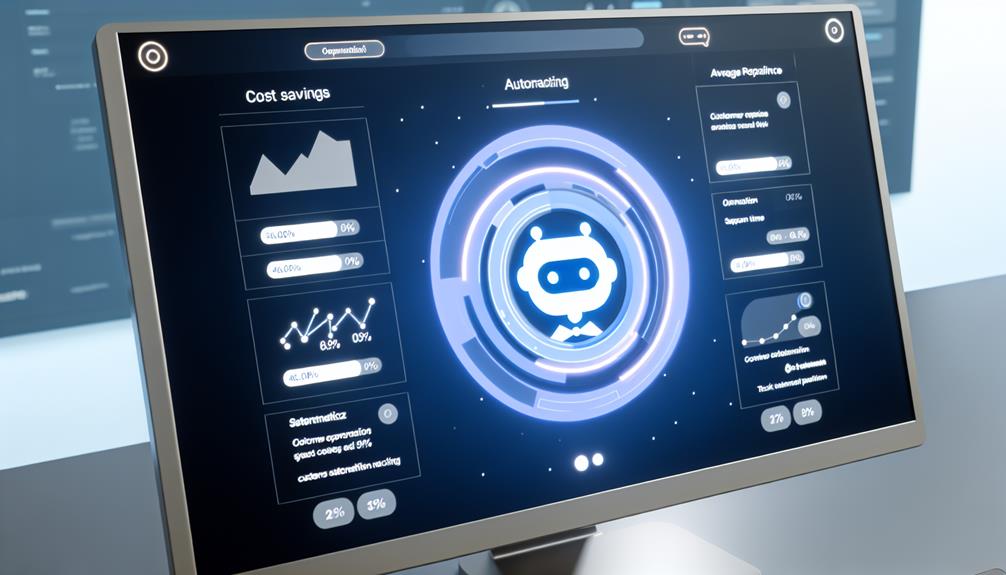
Integrating chatbots into different industries has proven to be a game-changer, delivering significant cost savings and boosting customer satisfaction. Artificial Intelligence (AI) has been instrumental in driving these successful implementations. For instance, a major retail brand saw a 30% drop in expenses after deploying chatbots in their customer service division, highlighting the efficiency and affordability AI-powered chatbots offer businesses.
In the travel sector, a travel agency managed to slash customer service costs by a remarkable 50% by incorporating chatbots into their operations. This substantial cost reduction underscores the powerful impact of AI in streamlining customer interactions. Moreover, an e-commerce platform witnessed a noteworthy 25% increase in customer happiness following the introduction of chatbots. By leveraging AI technology, companies can elevate customer experiences while streamlining their operations.
Additionally, a financial institution saved over $1 million annually by using chatbots to handle routine queries, showcasing the financial advantages of AI integration in banking. Furthermore, a telecommunications company experienced a 40% decrease in response times post chatbot implementation, illustrating AI's effectiveness in enhancing service delivery. These real-world examples highlight the tangible benefits of integrating AI-powered chatbots across various industries.
Future Trends in Chatbot Development
When looking ahead to the future of chatbot development, it's clear that a big focus will be on integrating AI to make user experiences more personalized. These advancements will allow chatbots to better tailor their responses to individual queries, ultimately boosting customer satisfaction.
The move towards personalized AI integration is set to transform the chatbot landscape, raising the bar for user engagement and service quality. It's exciting to see how these changes will shape the way we interact with chatbots in the coming years.
AI Integration in Chatbots
Integrating AI into chatbots is set to transform how we interact with customer service, making it more efficient and paving the way for exciting developments in chatbot technology.
Here are some key points to consider when looking at AI in chatbots:
- Boosting Healthcare Assistance: Experts predict that chatbots will significantly enhance their ability to handle healthcare inquiries, potentially improving responses by up to 75%.
- Cutting-Edge Diagnostics: Chatbots of the future could offer advanced healthcare diagnostics, like monitoring mental health, expanding their range of services.
- Streamlined Operations: With AI, chatbots are expected to provide faster responses and optimize resource allocation, leading to smoother operations.
- Automation's Impact: As AI evolves in chatbots, there may be shifts in the job market, especially in roles like customer service, as automation becomes more prevalent.
These advancements show how AI is reshaping the landscape of customer service through chatbots, offering exciting possibilities for the future.
Personalization for Users
Improving user personalization stands out as a key focus in the upcoming trends of chatbot development. Thanks to advanced AI algorithms, chatbots can now adjust interactions to suit individual user preferences and behaviors. This personalized approach not only boosts customer engagement but also elevates satisfaction levels.
Chatbots offering tailored experiences have proven to significantly impact customer retention and loyalty. The capacity of chatbots to comprehend and cater to each user's specific needs is reshaping how businesses engage with their customers.
Looking ahead, crafting customized and personalized experiences for users will play a vital role in chatbot development to nurture lasting relationships and uphold user satisfaction.
Chatbot Efficiency in Health Care
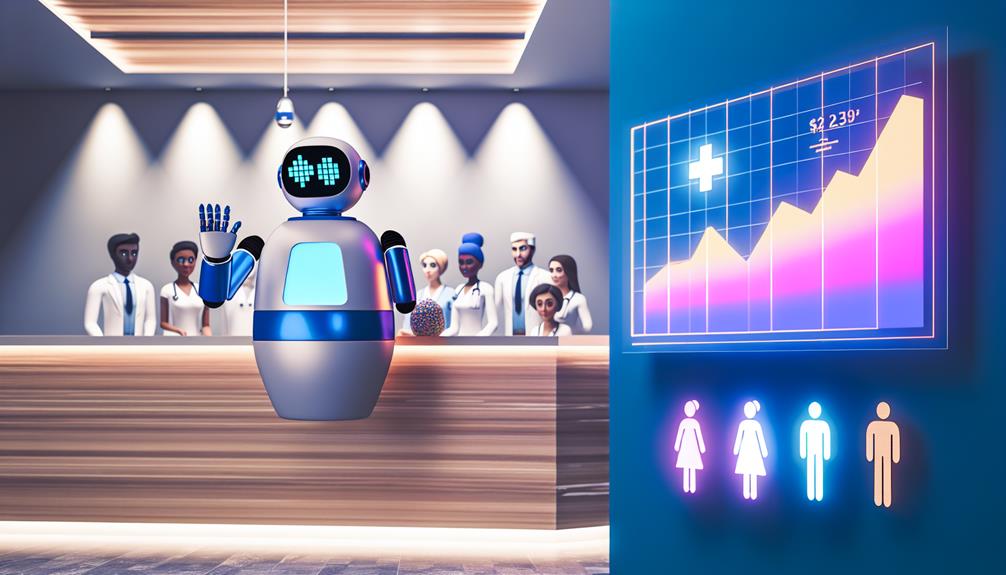
When it comes to health care efficiency, especially with AI chatbots, things are looking up. Currently, these chatbots can handle about 12% of queries on their own, but experts predict a big jump. They foresee a time when chatbots could manage up to 75% of health care questions effectively. This advancement could shake up the industry, making processes smoother and improving patient care significantly.
- Saving Costs: Right now, chatbots globally save businesses around $20 million. By 2022, this number is expected to skyrocket to over $8 billion annually. This shows the huge impact chatbots can have on cutting expenses in the health care field.
- Cutting-Edge Diagnostics: As chatbot technology progresses, the range of services they offer is growing. Soon, chatbots might even provide advanced diagnostics like mental health monitoring, enhancing proactive and personalized patient care.
- Quick Responses: With better chatbot efficiency, patients can receive medical advice or information much faster. This quick response time can be crucial in emergencies or urgent situations.
- Savings per Interaction: The projected cost savings per interaction could go as high as $0.70 in certain areas. This cost-effectiveness makes chatbots a compelling choice for health care providers aiming to optimize their resources while upholding quality care standards.
Banking Sector Cost Savings
Want to know a cool trick banks are using to save a ton of money and keep customers happy? They've introduced chatbots to handle everyday tasks, like answering questions and providing support.
These digital helpers cut down on manual work, saving banks around $7.3 billion each year.
Plus, with chatbots on duty 24/7, customers get help whenever they need it, boosting satisfaction and slashing customer service costs.
It's a win-win situation for everyone involved!
Automation in Banking
Integrating chatbots into the banking world is a game-changer, showing massive potential for cutting costs. By 2022, it's estimated that these AI-powered helpers could save over $8 billion annually. This smart move not only streamlines banking processes but also brings in some serious cash benefits. Here's the lowdown:
- Big Savings: Forecasts suggest over $8 billion in savings by 2022.
- Efficiency Boost: Each chatbot interaction could save up to $0.70 – talk about efficient!
- Current Impact: Banking businesses worldwide have already saved $20 million thanks to chatbots.
- Room to Grow: While chatbots are already making a difference, there's still plenty of potential to fine-tune them for even better cost-cutting strategies.
These numbers clearly show how AI-powered automation is shaking up the banking industry and making a real difference in the bottom line.
Operational Efficiency Benefits
When chatbots are integrated into the banking sector, it's not just about upgrading customer service—it's also about saving big on costs. By 2023, the estimates suggest a whopping $7.3 billion in annual savings. Thanks to Artificial Intelligence, chatbots can handle up to 90% of routine customer queries, slashing operational expenses significantly.
With quicker responses and round-the-clock availability, customer satisfaction in banking gets a boost. These chatbots make managing accounts a breeze, dealing with tasks like checking balances and transaction histories efficiently.
Automating processes such as loan applications and customer onboarding ramps up operational efficiency, leading to substantial savings. These efficiency gains powered by chatbots via Artificial Intelligence signify a strategic shift towards optimizing operations and trimming costs in the banking industry.
Reduced Manual Processes
In the banking industry, chatbots have revolutionized how we interact with customers, making processes smoother and more cost-effective. By incorporating Artificial Intelligence (AI), banks have automated everyday tasks, boosting efficiency and cutting down on operational expenses.
Let's delve into the impact of reducing manual processes in banking:
- Chatbots streamline customer conversations, saving time and resources.
- Operational costs take a dip as chatbots manage routine inquiries and transactions efficiently.
- Automation with chatbots reduces the need for human input in basic banking functions.
- Using chatbots ramps up efficiency, lightening the manual workload and bringing tangible financial gains to financial institutions.
The shift towards automation hasn't only made banking operations more seamless but has also paved the way for substantial savings and improved customer experiences.
Advancements in Chatbot Technology
Chatbot technology is advancing rapidly, paving the way for more efficient processes and improved customer interactions as AI continues to progress. AI is at the forefront of enhancing chatbot capabilities, leading to significant advancements across various industries. Research suggests that chatbots could see a 75% boost in handling complex healthcare inquiries, marking a substantial step forward in addressing intricate health issues effectively. The future holds even more promise, with chatbots potentially revolutionizing healthcare by offering advanced diagnostic services like mental health monitoring, providing personalized support promptly.
Moreover, as AI-powered chatbots evolve, we can anticipate quicker response times and better resource management. By automating tasks and streamlining operations, chatbots lessen the workload on human resources, enabling organizations to function more efficiently. These technological strides not only enhance operational effectiveness but also elevate customer satisfaction through faster, more accurate responses. With AI advancements and increasingly sophisticated chatbots, the potential benefits for businesses and consumers are vast, signaling a significant shift in how services are delivered and interactions are handled.
Job Impact of Automation

The way automation and AI are changing the job landscape, especially in customer service, is a hot topic these days. It's clear that as AI technology gets better, it's going to have a big impact on jobs. Let's break it down:
- Job Cuts: Automation and AI are likely to mean fewer human customer service reps are needed, which could lead to some folks losing their jobs as tasks get automated.
- Job Worries: People are getting anxious about losing their jobs as AI and chatbots step in more to handle customer questions. This could shake up industries that rely heavily on customer service roles.
- Acknowledging the Shift: Experts in different industries are starting to see how AI might lead to job cuts. They're talking about the need to get ahead of these changes and make sure workers have the right skills.
- Adapting the Workforce: With AI taking a bigger role in customer service, companies might need to shuffle jobs around and help employees adjust to the new automated ways of interacting with customers.
As AI gets smarter and automation becomes more common in businesses, it's crucial for both companies and employees to understand how these changes could shake up jobs. Being ready for these shifts and investing in training can help soften the blow of job disruptions caused by the rise of AI-driven automation.
AI Evolution and Response Times
The way AI is evolving will totally change how quickly chatbots can help solve problems. As AI gets better, chatbots will become faster and more effective at handling all sorts of questions. This progress in artificial intelligence is expected to lead to quicker and smarter responses from chatbots, greatly boosting their problem-solving abilities. Experts predict a significant rise in chatbots' ability to interact, especially when it comes to dealing with customer inquiries, as AI advances. In fact, Juniper Research suggests that chatbots in healthcare could reach an impressive 75% success rate in fully addressing human queries, showing just how much response times could improve.
To give you an idea of how AI evolution might affect chatbots' response times, let's break it down:
- Speedier Responses: Chatbots will be able to offer solutions faster.
- Sharper Solutions: Expect better accuracy and deeper problem-solving capabilities.
- Improved Efficiency: Processes will be streamlined, and resources will be used more effectively.
The future holds exciting possibilities, like integrating advanced diagnostics such as mental health monitoring into chatbot services. This shows the potential for AI-driven chatbots to revolutionize response times and problem-solving capabilities. As AI progresses, the benefits of quicker responses and optimized resource allocation are set to push chatbot technology to new heights.
Concerns About Job Losses

As AI and chatbot technologies continue to advance, many are growing concerned about potential job losses in customer service fields. The progression of AI is set to automate tasks, which could lead to redundancies in human roles. With the rise of AI and chatbots in customer service, there's a looming fear of job displacements. Experts in the industry are mindful of the impact AI may have on workforce reallocations and job reshufflings. As customer service becomes more AI-driven, workforce reductions and job changes are anticipated.
- The growth of AI in customer service could result in job redundancies as automation takes over tasks.
- The increasing use of chatbots may lessen the demand for human customer service representatives.
- Valid concerns about job losses in AI-powered customer service persist as technology advances.
- Industry professionals acknowledge that AI implementation may require workforce adjustments and shifts in job responsibilities.
Frequently Asked Questions
How Do Chatbots Reduce Costs?
Have you noticed how chatbots are making a big difference in businesses these days? They're not just handy for answering customer questions; they're also saving companies some serious cash. In fact, using chatbots can slash up to $0.70 per interaction, adding up to a whopping $20 million in savings globally. Industries like healthcare and banking are reaping the most benefits from this tech-savvy solution. It's amazing to see how innovation like chatbots can revolutionize the way businesses operate and serve their customers.
Can Using Chatbots Reduce Customer Service Costs by as Much as 30?
Indeed, chatbots have proven to be a game-changer when it comes to cutting down customer service costs. Recent studies show that businesses can save up to 30% by efficiently addressing customer queries with chatbots. This cost-effective solution not only streamlines operations but also boosts overall savings, making it a valuable asset for any business looking to optimize their customer service strategy.
Does AI Cut Costs?
Indeed, AI has the power to significantly slash costs. By tapping into AI-driven automation tools like chatbots, you can streamline operations, cut down on repetitive tasks, and save a substantial amount of money. Businesses across various industries are increasingly turning to AI technologies to drive efficiencies and reduce expenses.
How Much Money Do Chatbots Save Companies?
Chatbots are a game-changer for businesses, not just in terms of customer service but also in cost savings. By 2022, companies are expected to save a whopping $8 billion thanks to these digital assistants. Industries like healthcare and banking are reaping the most benefits from this technology. With each chat interaction, companies can pocket up to $0.70 in savings. Currently, businesses worldwide have already saved a cool $20 million by implementing chatbots.